Best sunscreens 2026: the new BEMT filter, and what to skip
The 2026 sunscreen shortlist comes down to two chemical fluids: a $38 gel and a $40 pharmacy pick built on the newly approved BEMT filter. What each one suits, and where mineral still fails.
Some links in this article are affiliate links: if you buy through one, we may earn a commission at no extra cost to you. As an Amazon Associate we earn from qualifying purchases. How affiliate links work here
The best sunscreen for 2026 is La Roche-Posay Anthelios UVDefense SPF 50 ($40), the first US formula built on bemotrizinol, a filter the FDA approved after more than two decades without a new one. If you want a clear gel that doubles as a makeup primer, Supergoop Unseen Sunscreen SPF 50 ($38) is the better buy. Both are chemical formulas, which is why neither leaves a gray film on deep skin.
La Roche-Posay Anthelios UVDefense SPF 50
The best sunscreen for 2026 is La Roche-Posay Anthelios UVDefense SPF 50 ($40), the first US formula built on bemotrizinol, a filter the FDA approved after more than two decades without a new one.
Supergoop Unseen Sunscreen SPF 50
If you want a clear gel that doubles as a makeup primer, Supergoop Unseen Sunscreen SPF 50 ($38) is the better buy.
The white cast problem has kept a lot of people with deeper skin tones from wearing sunscreen daily. Melanin doesn't make sun damage optional: people with deep skin still get skin cancer, still develop pigmentation from UV exposure, and still photoage. If the finish puts you off, the protection never happens.
What bemotrizinol changes
The FDA regulates sunscreen as a drug, so every UV filter sold here needs a full approval before it reaches a shelf. Europe, Australia and Asia have had newer filters for years while US formulas reused the same handful of actives. Bemotrizinol, written BEMT on labels, has been used overseas for decades and only recently cleared the FDA. It covers UVA and UVB, the texture is thin enough to read as lotion, and it doesn't leave a cast on melanated skin.
Anthelios UVDefense runs it at 2%, the concentration printed on the ingredient list. UVA is the half of sunlight that drives pigmentation and photoaging, so a formula that covers it well and that you'll actually wear beats a higher SPF number with a chalky finish.
The 2026 shortlist
Eight formulas came up repeatedly across the roundups I compared, from a $25 moisturizer to a $68 luxury fluid. Prices are US retail.
- La Roche-Posay Anthelios UVDefense SPF 50, $40: 2% BEMT, thin fluid, the default for most faces.
- Supergoop Unseen Sunscreen SPF 50, $38: clear gel that grips like a primer and sits well under foundation.
- EltaMD UV Clear SPF 46, $46: the acne and rosacea pick, light enough to layer without pilling.
- Kate Somerville HydraKate Illuminating SPF 50+ Drops, $46: mineral, brightest finish of the group.
- La Roche-Posay Anthelios UVAir Mineral SPF 50 Serum, $40 to $43: mineral serum, listed at two different prices in two roundups.
- Colorscience Sunforgettable Total Protection Face Shield Flex SPF 50 PA+++, $58: tinted, the one to wear instead of foundation.
- La Roche-Posay Toleriane Double Repair Facial Moisturizer SPF 30, $25: moisturizer and sunscreen in one step.
- Chanel UV Essentiel Complete UV Protection SPF 50, $68: the luxury option, and the one to buy for texture alone.
Kate Somerville HydraKate Illuminating SPF 50+ Drops
Mineral formulas still cast on deep skin unless they're tinted, so Kate Somerville's SPF 50+ drops ($46) are the mineral pick worth the money.
Colorescience Sunforgettable Total Protection Face Shield Flex SPF 50 PA+++
Yes, and Colorscience Sunforgettable Face Shield Flex SPF 50 ($58) is built for that.
If you have deep skin and hate cast
Mineral formulas need pigment to reach a high SPF, and pigment is what shows. A nicer jar doesn't change that physics. If you want mineral protection without the gray, you're looking at tinted formulas, and tinted formulas come in far fewer shades than foundation does.
The shade range is the catch. One European Anthelios tinted fluid comes in a single shade that reads quite dark; a reviewer with medium skin said it made her look like she'd been to a tanning salon, and she wore it only for errands. The US Anthelios Tinted Mineral Light Fluid SPF 50 ($40) also ships in one shade. Test it on your jaw in daylight before you commit.
If your skin is oily or acne-prone
Jenna Queller, a board-certified dermatologist in Boca Raton, told Allure that lightweight formulas appeal to people with acne-prone or oily skin who dislike the heavy feel of traditional sunscreen, and to anyone living somewhere hot and humid. EltaMD UV Clear SPF 46 ($46) is the formula both roundups name for acne-prone skin and the one they name for rosacea. Supergoop Unseen is the other to try if you want that primer grip under makeup.
EltaMD UV Clear SPF 46
EltaMD UV Clear SPF 46 ($46) is the formula both roundups name for acne-prone skin and the one they name for rosacea.
What $68 buys you that $40 doesn't
Chanel UV Essentiel SPF 50 costs $68 and protects you to the same standard as a $25 moisturizer with SPF 30. Ife Rodney, a Maryland dermatologist, told Allure that both chemical and mineral sunscreens work well when they provide broad-spectrum coverage, have SPF 30 or higher, and are applied correctly. The extra money buys texture, scent and packaging. If a beautiful bottle means you apply it every morning, that's money well spent. If you're buying it because you assume it protects more, you're paying for the label.
The European Anthelios you can't buy here
European shelves carry a purple Anthelios line built around MELASYL, the pigment ingredient from the MelaB3 range, plus UVMUNE400, which the brand says filters ultra-long UVA. Those versions aren't sold in the US. Importing means paying shipping for a formula labeled for a different market, and in the tinted case, committing to one shade you can't see first. The US-approved BEMT fluid gets you most of the way there for $40.
La Roche-Posay also supplies Anthelios Ultra Light Fluid SPF 60 to Soho House rooms and Melt-In-Milk SPF 60 poolside under a partnership announced in July 2025, which says more about the brand's marketing budget than about the formulas.
How to choose in the store
- Check the label for broad spectrum and SPF 30 or higher. Both matter more than the exact number.
- Pick a texture you'd use on an ordinary Tuesday, not one you save for holidays.
- Buy a price you can afford to replace, because you'll go through it in weeks, not months.
- If your skin is sensitive or you have rosacea, patch test on your jaw for a few days before you put it on your whole face.
Start with Anthelios UVDefense at $40. If it stings your eyes or pills under your makeup, switch to Supergoop Unseen at $38. Both have the same job, and neither one is worth a routine you skip.
FAQ
- Do I need sunscreen if I have dark skin?
- Yes. Melanin gives some protection against sunburn but not enough to prevent skin cancer, pigmentation or photoaging. Dermatologists quoted in the 2026 roundups all make the same point: deeper skin tones get sun damage too, and pigmentation problems are often the first sign.
- What is bemotrizinol?
- A UV filter used in Europe, Australia and Asia for decades and recently approved by the FDA for US sale. It covers UVA and UVB, feels thin on skin, and doesn't leave a cast. La Roche-Posay Anthelios UVDefense SPF 50 ($40) is the first US formula to use it, at 2%.
- Is SPF 50 much better than SPF 30?
- It blocks a little more UVB, but both clear the SPF 30 threshold dermatologists recommend. The gap between them is smaller than the gap between applying properly and applying badly. If the SPF 30 is the one you'll wear and reapply, use the 30.
- Is mineral sunscreen better for sensitive skin?
- Not automatically. A mineral formula can irritate less, but cast and texture push plenty of people to apply less of it. Try a small tube of each, patch test, and keep the one your skin tolerates and you'll wear daily. EltaMD UV Clear SPF 46 ($46) is the pick for acne-prone and rosacea-prone skin.
- Can I use a tinted sunscreen instead of foundation?
- Yes, and Colorscience Sunforgettable Face Shield Flex SPF 50 ($58) is built for that. Check the shade in daylight first, since tinted SPFs come in far fewer options than foundation and a single-shade formula will read too dark or too ashy on some faces.
Sources
- Allure: 8 Sunscreens for Dark Skin 2026 Without a Hint of White Cast
- Allure: 8 Best Lightweight Sunscreens 2026 You'll Barely Feel on Skin
- Allure: 9 Best La Roche-Posay Sunscreens 2026 for Face and Body
- Glamour: Four Editors Try the New La Roche-Posay Anthelios UVDefense Sunscreen SPF 50
- Note: I accidentally bought a tinted La Roche-Posay sunscreen that isn't sold in Japan
- PR Newswire: Soho House and La Roche-Posay Announce Exclusive Sun Care Partnership
Further reading
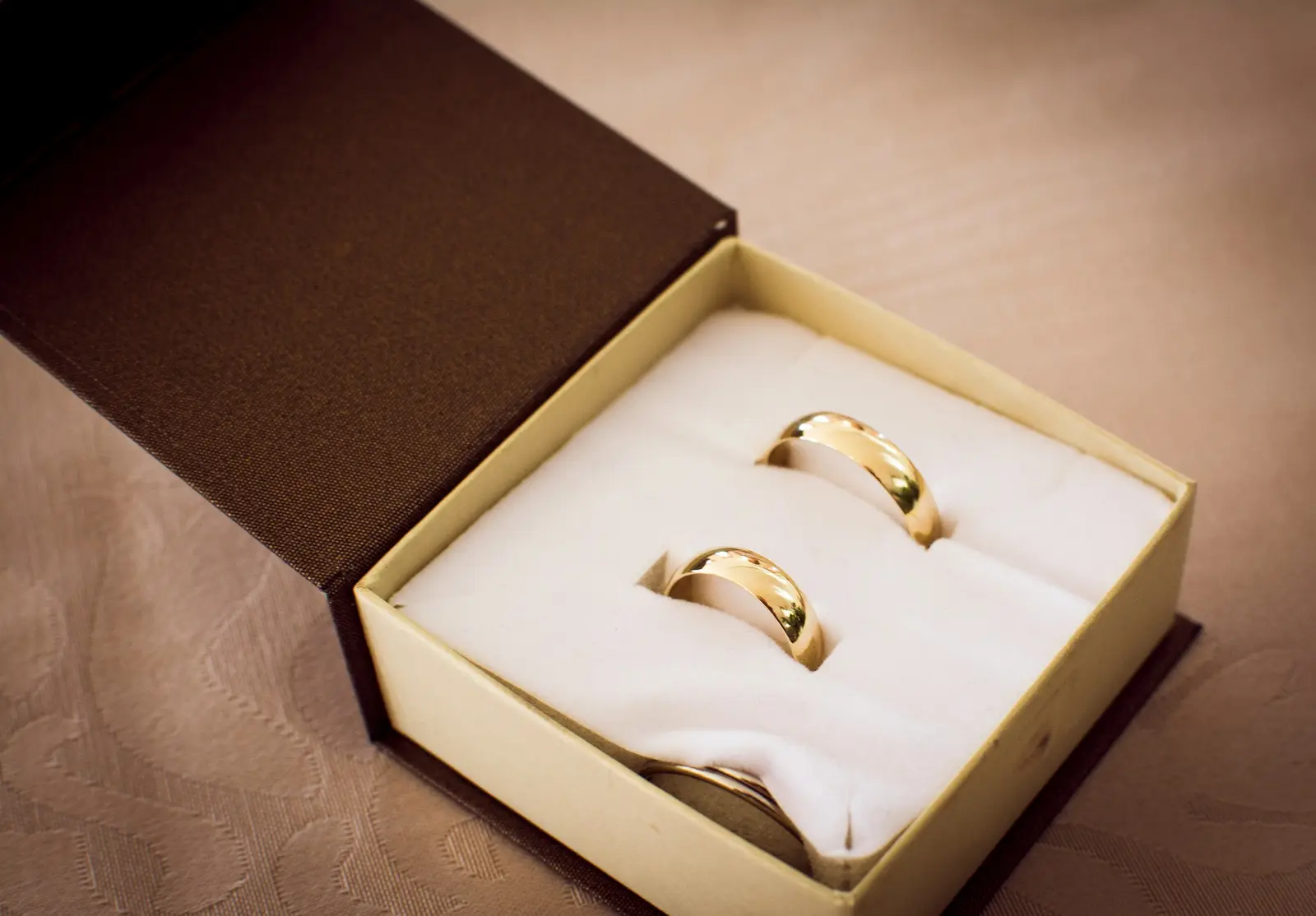
Tiffany gold gifts: 3 pieces worth it, and who should skip
Three 18-karat yellow gold Tiffany pieces, matched to the person you're buying for, plus what to check on size, metal color and returns before you pay.
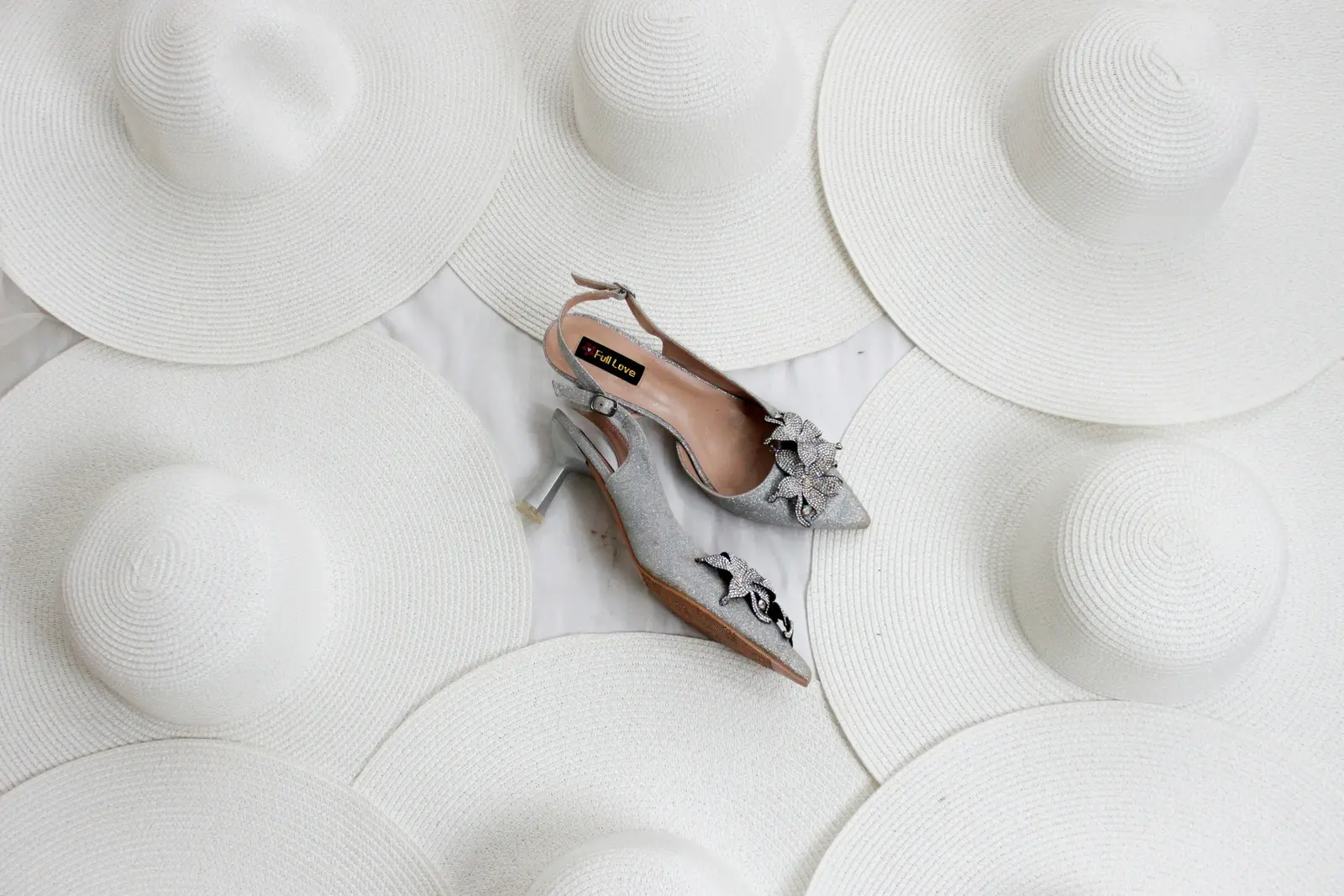
Slingback heels are back for 2027, and two-tone is the pick
Slingback heels are back in style for 2026, and the pair driving the trend is two-tone: a contrast toe cap, often square, modeled on Chanel's 1957 design.
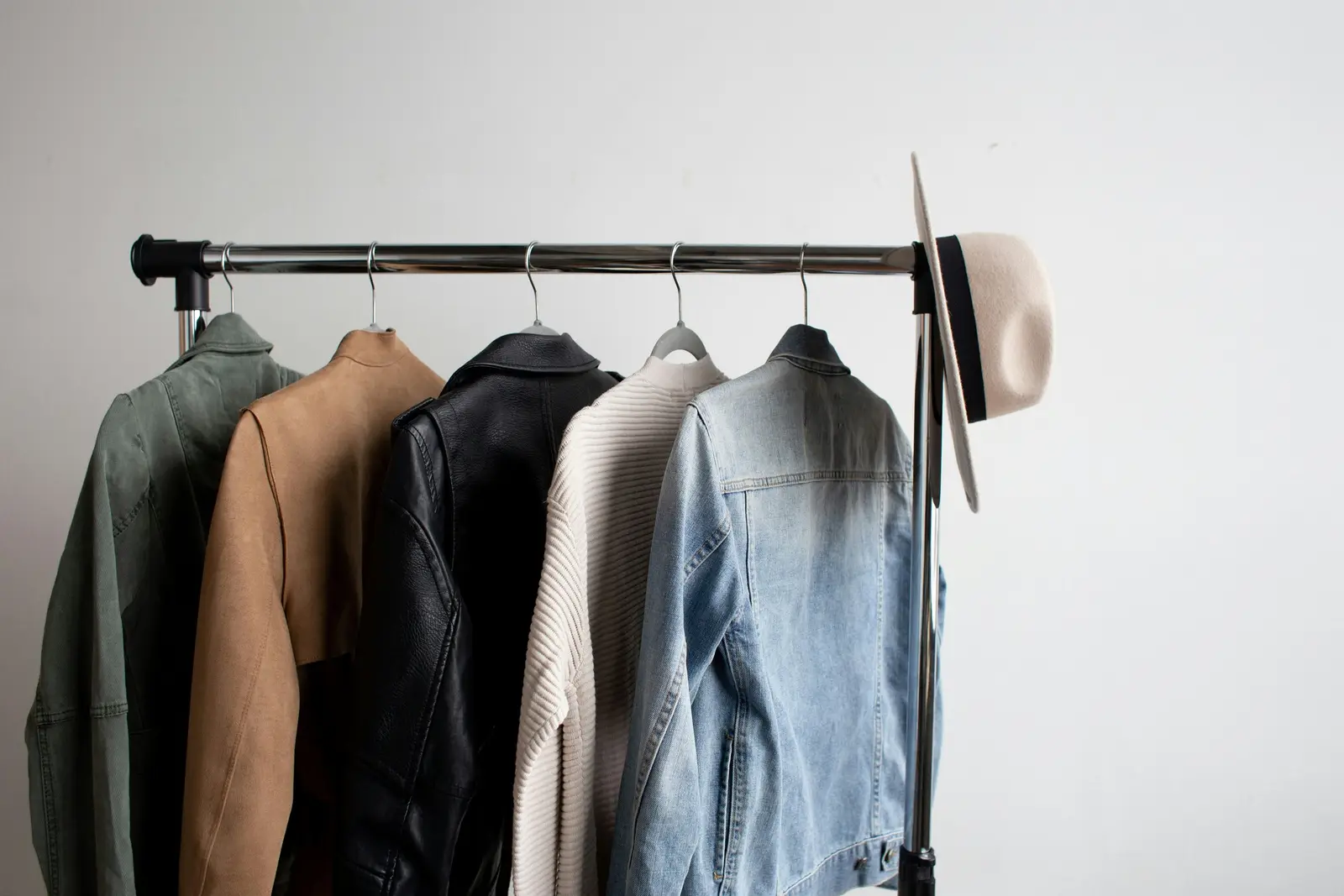
Best Zara coats right now: 3 checks before you buy one
The Zara coats worth buying this season, from a 100% wool Limited Edition to a reversible two-in-one, plus the composition check that decides whether a coat is warm.