Best hair wavers for long hair, short hair and a tight budget
Barrel width and heat control decide whether a hair waver works for you. A guide to the roundup's picks, from a double-barrel iron for long hair to an under-$50 starter.
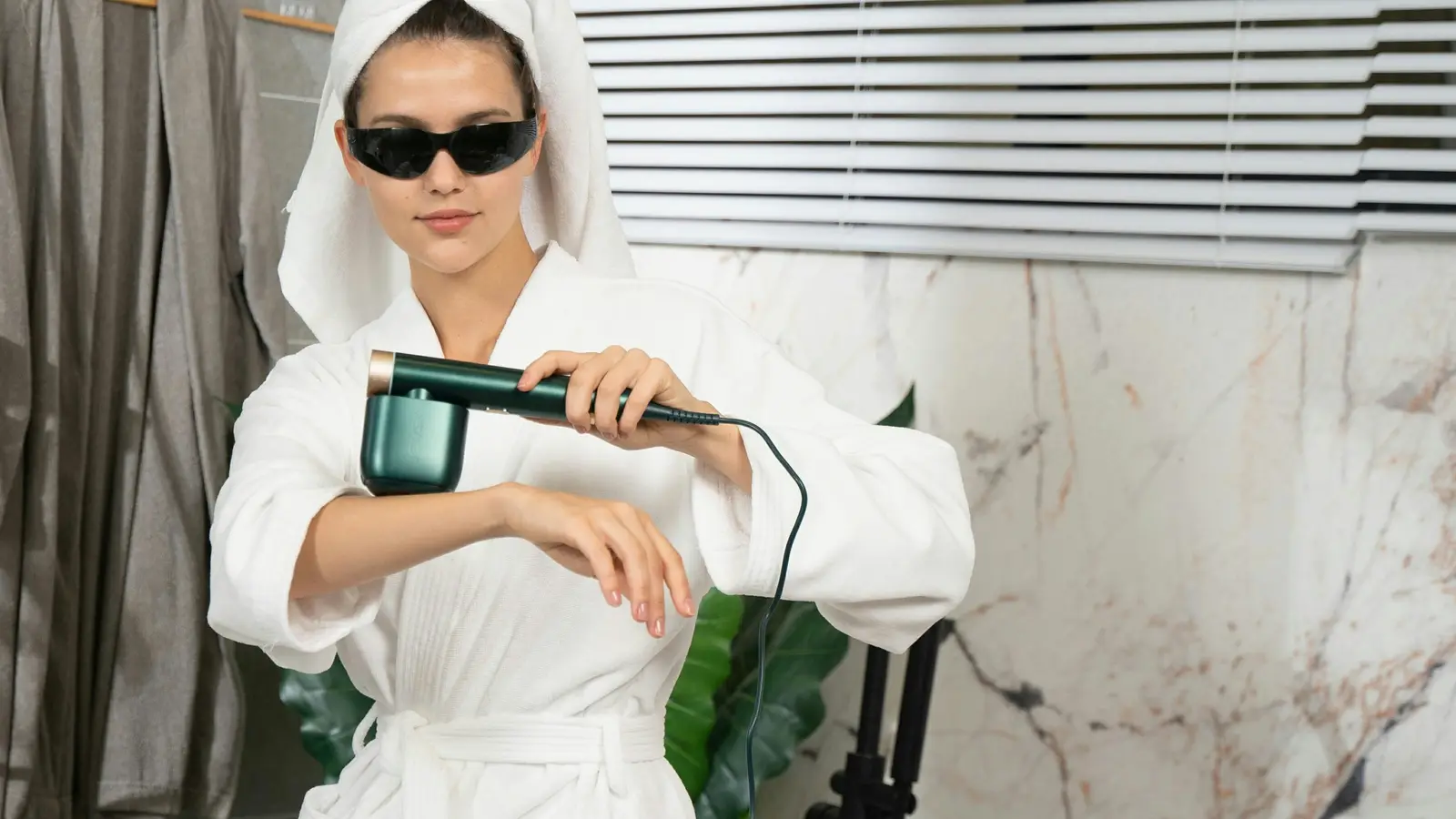
We choose the best hair wavers on barrel width and heat control, with the price tag a distant third. For long hair, we recommend the double barrel iron hairstylist Priano favors, which covers more hair per clamp by making two waves instead of three. For short hair or a first waver, we recommend our budget pick, which costs under $50, has no exposed barrel, and comes in 1 inch and 1.25 inch sizes.
What a waver does that a curling iron can't
A standard waver has three barrels set in a row. You clamp a section of hair between them, hold, release, and the hair keeps an S-shaped bend. A curling iron wraps hair around a single barrel and makes a spiral, so the two tools give different results: the waver is faster and looser, the iron is slower and more defined. A double-barrel iron drops the middle barrel, which produces two waves across a section instead of three.
That difference in wave count is why barrel choice matters so much. Two waves across a long section read as soft and glamorous. Two waves across a short section read as a kink, which is the most common reason people give up on a waver and go back to an iron.
Match the barrel to your hair length
Barrel width decides the shape of the wave more than any other spec. Too wide for your length and the hair can't complete a full S, so the bend collapses near the ends. Too narrow and long hair turns into a crimp rather than a wave.
- 1-inch barrels suit chin to shoulder length hair, where a wider barrel leaves too little room for a full bend.
- 1.25-inch barrels are the standard for shoulder to mid-back hair and give a looser, more open wave.
- Wide barrels and double-barrel irons suit long hair, because each clamp covers more hair.
- An adjustable barrel lets you change width on one tool. One editor in the roundup calls that flexibility the reason it's her current pick, since she can go from tight to soft and beachy without switching devices.
Features worth paying for
Two things separate a waver you keep from one that ends up in a drawer: a temperature you can set, and a barrel design that keeps hot metal away from your hands and ears.
- Adjustable heat with a numbered dial or a digital display. One pick in the roundup shows the temperature on a clear screen and shuts itself off after two hours.
- No exposed barrel. On the under-$50 pick, hair sits between the barrels, so there's no hot rod to catch an ear on. That matters most for beginners and teenagers.
- A protective glove in the box, which the Bed Head tool includes.
- A size choice at checkout. Buying a waver that only comes in one barrel width locks you into one wave shape for as long as you own it.
The picks, and what the roundup actually says
Trademark Beauty's double-barrel wave iron is the long-hair pick. Priano says it heats evenly and creates long-lasting waves with a sleek finish, and the wider barrels suit length. It also works on shorter hair because it makes two waves rather than the usual three. The roundup doesn't list a price for it.
Bed Head's waver is the entry-level option: tourmaline ceramic barrels, 10 heat settings, digital controls, and barrels on the large side for a beachy result. The editors call the price unbeatable without giving a figure, so look up the current one before you commit. The protective glove in the box makes it a reasonable first tool for someone accident-prone.
The salon-style pick has a two-hour auto shutoff and a digital display, and the editor who uses it reports waves that lasted three to four days on her hair type, which she calls a long time. That's one person's result on one head of hair, and it's the only longevity claim in the roundup. Treat it as a good sign rather than a promise.
The budget model costs under $50, comes in 1-inch and 1.25-inch wave sizes, and has no exposed barrel. I'd suggest it for a first waver, for a teenager, or for anyone unsure they'll stick with the routine. The lower price means less regret, and the enclosed barrels mean fewer burns while you learn the angles.
Heat, damage and the step people skip
Wavers sit in the same damage category as any hot tool. The fix is boring and it works: apply a heat protectant to dry hair before you start, set the temperature at the low end of the dial, and move up one notch only if the wave won't hold. Hotter doesn't set the wave harder, it just dries the hair out faster.
Work in sections about as wide as the barrel, clamp once, and let the hair cool before you touch it. Waves set as hair cools, so running your fingers through a hot section undoes the work you just did. Skip the second pass on the same section if the first one took.
Fine hair holds a wave for less time than coarse hair, so a light hold spray or a little texturising mist after styling does more for longevity than a higher heat setting. If your hair is already snapping or feels gummy when wet, stop using heat on it until it recovers. Persistent breakage or scalp soreness is a question for a dermatologist or your stylist, not a product swap.
Who should skip a waver
If you want defined curls, a waver will frustrate you, since the whole point of the tool is an open bend. If your hair already has a natural wave you like, a waver mostly adds frizz. And if you only style your hair for weddings and parties, a curling iron you already own will do the job.
What the roundup leaves out
Prices are missing for most of the picks, and there's no durability information on any of them: no word on how the barrels hold up after a year, whether the coating chips, or what the warranty covers. No dual-voltage figures are published either, so if you travel, check the box or the product page before you pack one.
Frequently asked questions
- What size hair waver is best for short hair?
- 1-inch. On chin to shoulder length hair, a 1.25-inch barrel leaves too little room for a full S bend, so the wave collapses into a kink near the ends. The budget pick in the roundup comes in both 1-inch and 1.25-inch sizes, so you can choose at checkout.
- Do hair wavers damage your hair?
- They can, the same way any hot tool can. Damage builds from repeated high-heat passes on the same section. Apply a heat protectant to dry hair, start on the lowest setting, clamp once, and give the section a break if the wave didn't take the first time.
- Can you use a hair waver on wet hair?
- No. Hair should be completely dry before it goes near a hot barrel. Clamping damp hair traps water against hot metal, which is harder on the cuticle than styling dry hair, and the wave won't hold its shape anyway.
- How long do waves from a hair waver last?
- Three to four days for one editor in the roundup, who called that long for her hair type. Fine hair usually drops a wave within a day. A light hold spray after styling helps, and letting each section cool before you touch it makes the biggest difference.
- Is a double-barrel waver better than a three-barrel one?
- It depends on your length. Double-barrel irons suit long hair and softer, wider waves, and they also work on shorter hair because they make two waves instead of three. Three-barrel wavers make tighter, more uniform bends and suit medium lengths.
- Which is the cheapest hair waver on the list?
- The under-$50 pick with no exposed barrel and a choice of 1-inch or 1.25-inch sizes. Bed Head's waver is described as the entry-level price option, but the roundup doesn't publish its price, so check the current listing.
Sources
Further reading

Best silk pillowcases for hair: what 25 momme actually does
Silk cuts the friction that snags hair overnight. Here's why 25 momme mulberry silk is the sensible first buy, what it fixes, and when a satin case is the smarter spend.

Bixie haircut for women over 50: what to ask your stylist
A bixie keeps the back short and the front at bob length, which softens a short cut for women over 50. What to ask for, by hair thickness, and the trim catch.
Boar vs nylon round brushes: which one your hair needs
Olivia Garden tops the stylist picks, but the barrel size you choose decides whether your blowout gets lift or creases. A guide to diameters, bristles and technique.