Best silk pillowcases for hair: what 25 momme actually does
Silk cuts the friction that snags hair overnight. Here's why 25 momme mulberry silk is the sensible first buy, what it fixes, and when a satin case is the smarter spend.

The best silk pillowcase for hair is 100% mulberry silk at 25 momme, and our first pick is the Fishers Finery Mulberry Silk Pillowcase Set, a pack of two cases at that weight. Dense silk gives hair a surface that slides instead of gripping, which is the mechanism behind fewer tangles, less frizz and fewer broken ends in the morning.
What silk does to hair while you sleep
Cotton has a weave with enough texture to catch hair when you turn over. Hair is covered in overlapping cuticle scales, and dragging them the wrong way lifts them, which is why strands feel rough and tangle into each other. Silk is smoother and has far less of that grip. James describes it as a barrier that protects hair from friction, the same job a silk bonnet or scarf does, and credits it with fewer split ends, less breakage, reduced frizz and fewer tangles. Textured, curly and chemically treated hair gain the most, because those hair types have more cuticle irregularity for a pillow to snag on.
Silk also takes up moisture more slowly than cotton, so hair doesn't get the same drying effect overnight. That matters most if you wash at night, sleep on damp hair, or already fight frizz at the ends.
Why 25 momme is the number on the label
Momme measures how much a set length of silk weighs, which in practice tells you how dense the fabric is. A 25 momme case is substantial: dense enough to stay put on the pillow, smooth enough to keep its slip. James calls 25 momme the perfect mid-range, useful if you switch between curly and straight styling or if you're moving from cotton for the first time, and says it works for all hair types. Lighter silk feels cooler and drapes more, but it's thinner. Going above 25 buys weight in the hand and durability more than extra slipperiness, so I'd put that money into a second case you can rotate while the first one dries.
The set the roundup picks, and what the price looks like
Fishers Finery's case is 100% mulberry silk at 25 momme, sold as two. The closure is an oversized envelope with a slightly offset side opening, which makes it easy to get on and off and keeps a zipper away from your hair. The source doesn't publish a price for the set, and silk prices move with sales, so check the current listing before you decide rather than trusting a figure quoted in a roundup.
Who benefits most, and who can skip it
Long hair, fine hair that snaps easily, curls and coils, and color-treated or relaxed hair all gain something from a smoother surface. If you wake with a crease across your cheek or a kink at your hairline, the fabric is the cause and a silk case is a cheap fix for it. People with a buzz cut or a short crop get very little from it. So does anyone who already sleeps in a bonnet, because the bonnet is doing the work.
Silk pillowcase or silk bonnet
James's view in the roundup is that a pillowcase isn't more effective than a bonnet. The two do different jobs and work well together. A bonnet contains hair, which is what you want for braids, twists or curls piled on top of your head. A pillowcase covers whatever stays loose: the ends, the hairline, the sides of your head. If you wear a bonnet, the case still helps with the hair that escapes it.
Satin and silk are different things
Satin is a weave. Silk is a fiber. A polyester satin case costs a fraction of a silk one, and it is smoother than cotton, so it does reduce friction and it's a reasonable budget choice. Polyester satin tends to hold heat, and it doesn't have silk's breathability. If money is tight this month, buy satin and wash it often. If you're buying once, buy silk at 25 momme and skip the marketing that blurs the two words.
What to check before you pay
- Fiber content: the label should say 100% mulberry silk. Watch for "silk-like" and "silky satin," which are polyester.
- Momme weight, printed on the pack. 25 sits in the middle of the range and suits most hair.
- Closure: an envelope opening has nothing for hair to catch on. Zippers can catch fine strands.
- Whether the price is for one case or a pair. Some listings look cheap until you see it's a single.
- Return policy. You can't judge slip from a product photo.
Washing matters as much as momme
Follow the care label. A case you wash regularly does more for your hair and skin than one that's been on the bed for weeks, because leave-in conditioner, oil and scalp residue coat the silk and cut the slip. Buy two if the budget stretches, so there's always a clean one on the pillow. If you have persistent acne or a rash that appears where your face meets the pillowcase, see a dermatologist rather than shopping for a different fabric.
My pick for most people
A 25 momme mulberry silk case from a seller that states the fiber and the weight plainly, bought as a pair so one is always clean. The Fishers Finery set fits that description and the envelope closure is a small detail that matters nightly. If you have short hair or you already sleep in a bonnet, put the money toward a second bonnet instead.
Pros
- Less friction than cotton, so fewer tangles and less breakage overnight
- 25 momme is dense enough to stay put and smooth enough to keep its slip
- Envelope closure means no zipper near your hair
- Useful for curls, fine hair and color-treated hair
Cons
- Costs more than cotton or polyester satin
- Needs frequent washing to keep its slip
- Does nothing for very short hair
- The source doesn't list a current price, so you'll have to check the retailer
Frequently asked questions
- Do silk pillowcases actually help hair?
- Yes, modestly. Silk reduces the friction that lifts the cuticle and causes frizz, tangles and breakage while you sleep. It protects hair you already have. It doesn't repair split ends or regrow anything, and results depend on your hair type and how often you wash the case.
- What momme is best for a silk pillowcase?
- 25 momme is a good middle ground, and hairstylist James recommends that weight for all hair types and for anyone switching from cotton. Lighter silk feels cooler but is thinner. Heavier silk is more durable and costs more without adding much slip.
- Is a silk bonnet better than a silk pillowcase?
- Neither one wins. A bonnet contains braids, twists and piled-up curls. A pillowcase covers the loose hair a bonnet leaves out, plus your hairline and the sides of your face. Many people use both.
- Are satin pillowcases as good as silk?
- Close enough on a budget. Polyester satin is smoother than cotton and does reduce friction, but it's a synthetic fabric that tends to hold heat. Silk is a protein fiber and breathes better. If you buy satin, wash it often.
- Can a silk pillowcase help acne or sleep wrinkles?
- It can reduce the friction and creasing that come from pressing your face into a textured fabric all night. It is not an acne treatment. If your breakouts are persistent or you have a rash, see a dermatologist.
- How often should I wash a silk pillowcase?
- As often as you'd wash a cotton one, and follow the care label for the method. Product residue and scalp oil build up on the surface and reduce the slip, which is the whole reason you bought it.
Sources
Further reading

Bixie haircut for women over 50: what to ask your stylist
A bixie keeps the back short and the front at bob length, which softens a short cut for women over 50. What to ask for, by hair thickness, and the trim catch.
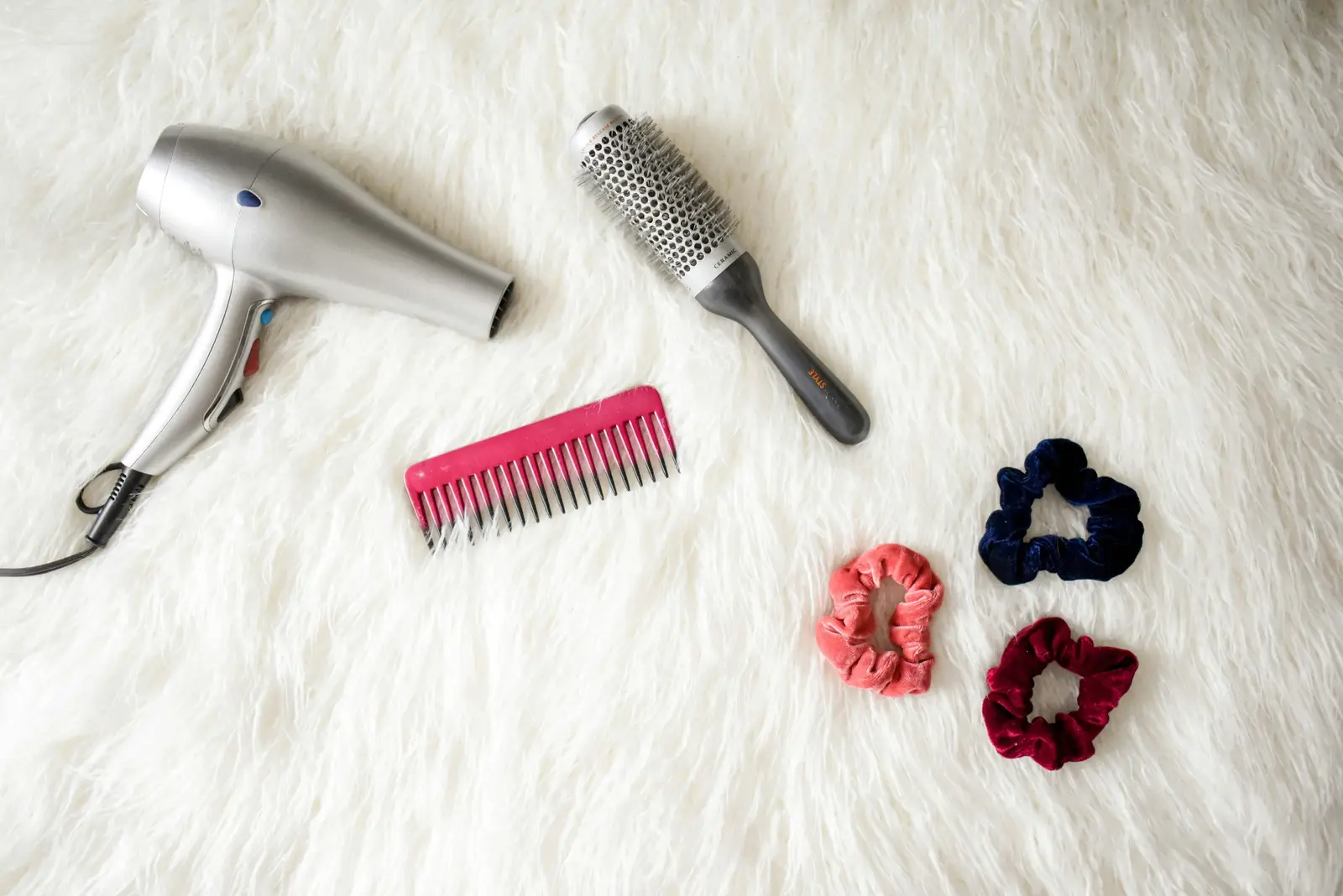
Boar vs nylon round brushes: which one your hair needs
Olivia Garden tops the stylist picks, but the barrel size you choose decides whether your blowout gets lift or creases. A guide to diameters, bristles and technique.

Best hair wavers for long hair, short hair and a tight budget
Barrel width and heat control decide whether a hair waver works for you. A guide to the roundup's picks, from a double-barrel iron for long hair to an under-$50 starter.