2026 beauty launches: which of the 83 earn their price
Elle's 2026 Future of Beauty Awards named 83 products across skin, hair, body and color. Four of them point at something you can use, and the rest are refinements worth reading the label on.
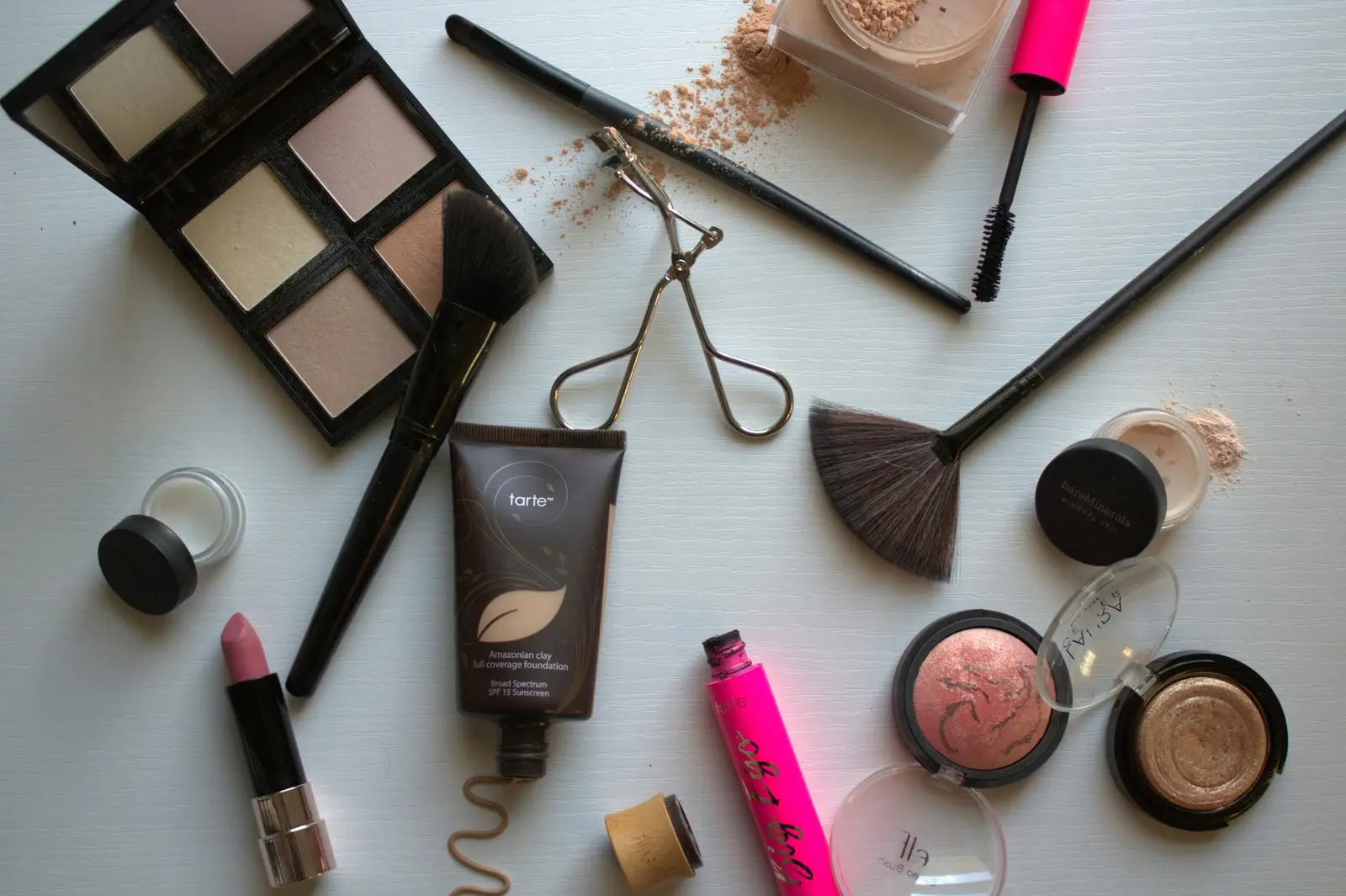
The best innovative beauty products of 2026, as picked by Elle's Future of Beauty Awards, come to 83 items chosen from hundreds of entries that the magazine's editors tested across skin care, hair care, body care and color cosmetics. Four of them signal a real change. The other 79 are mostly refinements of categories you already shop, which is a fine thing to be. It just changes what the award sticker should be worth to you.
What an award sticker measures
Every winner was rated by an editor who used it, and the write-ups quote those testers on texture, finish and wear: whether an eye serum pills under makeup, whether a serum feels silky going on, whether a top coat makes nails shine. What the write-ups rarely give is a concentration. A peptide listed near the bottom of an ingredient list does different work from one listed second, and a sticker does not separate the two. Where the percentage isn't published, you're paying for the base, the packaging and the scent. Sometimes that's a fair trade. Decide it deliberately.
The sunscreen with a new filter
One winner is among the first sunscreens to use a new SPF filter, according to Elle. The write-up doesn't name the filter, so the useful move is to read the active ingredient line when the product reaches shelves. A filter you haven't seen before is the news, and it's worth a look. If the actives read like every other bottle in the aisle, the novelty sits in the texture, and a texture upgrade rarely justifies a price jump when you already own a sunscreen you'll wear. Sunscreen protects at the dose you actually apply, so a formula you enjoy using does more for you than a better filter left in a drawer.
NAD+ in a moisturiser
An NAD+ moisturiser made the list, and one tester became a believer. NAD+ (nicotinamide adenine dinucleotide) is a coenzyme your cells use in energy transfer, and it now appears in both capsules and creams. The topical evidence is thin next to the price these products usually carry. I'd buy it if the base suits your skin, and I'd expect it to behave like a good moisturiser with an unusual ingredient. If you want an active with more behind it for tone and barrier, niacinamide at 5% is cheap and well studied.
A moisturiser aimed at GLP-1 skin
Another winner is a moisturiser meant to address the effects of GLP-1 drugs, the class that includes semaglutide. Rapid weight loss can leave skin drier and looser, and the category exists because a lot of people are now on these drugs. A cream can support the barrier and help with dryness. It won't tighten loose skin, and no jar does. If you're on a GLP-1 and your skin has changed quickly, raise it at your next appointment before you buy a dedicated product. A plain ceramide moisturiser from a pharmacy handles the dryness for a fraction of the price.
Bakuchiol and peptides around the eyes
The eye serum pairs bakuchiol with peptides. Bakuchiol is a plant-derived ingredient sold as a gentler alternative to retinol, and its evidence base is smaller. Treat it as a soothing ingredient that suits reactive skin; it doesn't do what retinol does. Peptides are short amino acid chains that hold water at the surface, and some are studied for cell signalling. Elle's tester liked the comfort of it: a milky texture that absorbed fast, a cool metal applicator for tired mornings, and no pilling under makeup. That's a sound reason to buy an eye product. Expect hydration and a smoother look.
Two more winners that show how the category sells
A rejuvenating serum built on amino acids also found in collagen leans on the idea that collagen pieces rebuild collagen. Applied to skin, amino acids act as humectants: they hold water, and Elle's tester did see the area around her mouth look smoother over time. That's a believable result for a well-made hydrator. It isn't evidence of new collagen.
A lip serum that grew out of Jason Diamond, MD's in-office treatments follows the pattern of most lip products. Lips chap because the vermillion has no oil glands and loses water quickly, so an occlusive balm does most of the work. A serum earns its place if the texture is pleasant enough that you reapply it, which is the only test that matters here.
How to judge the next award sticker
- Find the star ingredient on the list. Ingredients appear in descending order of concentration up to 1%, so anything after the fragrance is decoration.
- Look for a printed percentage. Brands print it when the number is impressive, and they leave it out when it isn't.
- Ask what the base does. Texture, finish and how a product layers under SPF affect daily use more than a novel molecule does.
- Compare with the pharmacy version of the same active at the same strength. That comparison is usually the whole decision.
- Skip anything sold on what it doesn't contain. Water is a chemical; the claim is marketing.
What I'd buy first
If you're spending on one thing from a list like this, spend it on the sunscreen, because daily use has the clearest payoff of any step. Next comes a plain moisturiser you'll use morning and night. Then one active, patch tested, added on its own for a few weeks so you know what caused what. The NAD+ cream and the GLP-1 cream can wait until the full ingredient lists and prices are published and you can weigh them against something cheaper doing the same job. Novelty is a reasonable reason to try a texture. It's a poor reason to replace a routine that's working.
Frequently asked questions
- What are the best innovative beauty products of 2026?
- Elle's Future of Beauty Awards named 83, chosen from hundreds of entries across skin care, hair care, body care and color cosmetics. The ones pointing at something new are a sunscreen with a new UV filter, an NAD+ moisturiser, a moisturiser for skin changes during GLP-1 treatment, and a bakuchiol and peptide eye serum.
- Is NAD+ skincare worth the money?
- Probably not for the NAD+ itself. Topical evidence is thin, so you're mostly buying the moisturiser it's dissolved in. If the texture suits you and the price doesn't sting, fine. For tone and barrier support with better evidence, niacinamide at 5% costs far less.
- Is bakuchiol as good as retinol?
- No. Bakuchiol has smaller studies behind it and doesn't act through the same pathway. It suits people who can't tolerate retinoids because it's gentler, which also means less visible change. For fine lines, a low-strength retinoid used twice a week does more.
- What is the new sunscreen filter in 2026?
- Elle doesn't name it in the awards write-up. New UV filters tend to reach the US market later than Europe and Asia, so check the active ingredient line on the bottle. An unfamiliar filter is the real news. A familiar one means you're paying for texture.
- Do I need a separate eye cream?
- Not strictly. Eye products are moisturisers in a lighter base at a higher price per gram. The case for one is comfort: a milky texture and a cool applicator you'll actually reach for, which is what Elle's tester liked about the bakuchiol serum.
Sources
Further reading
Tiffany gold gifts: 3 pieces worth it, and who should skip
Three 18-karat yellow gold Tiffany pieces, matched to the person you're buying for, plus what to check on size, metal color and returns before you pay.
Slingback heels are back for 2027, and two-tone is the pick
Slingback heels are back in style for 2026, and the pair driving the trend is two-tone: a contrast toe cap, often square, modeled on Chanel's 1957 design.

Best Zara coats right now: 3 checks before you buy one
The Zara coats worth buying this season, from a 100% wool Limited Edition to a reversible two-in-one, plus the composition check that decides whether a coat is warm.