Skincare tools for skin concerns: what's worth the money
LED masks have the best case behind them for acne and early ageing, microcurrent is a maybe, and rollers only shift puffiness. A plain routine still wins.
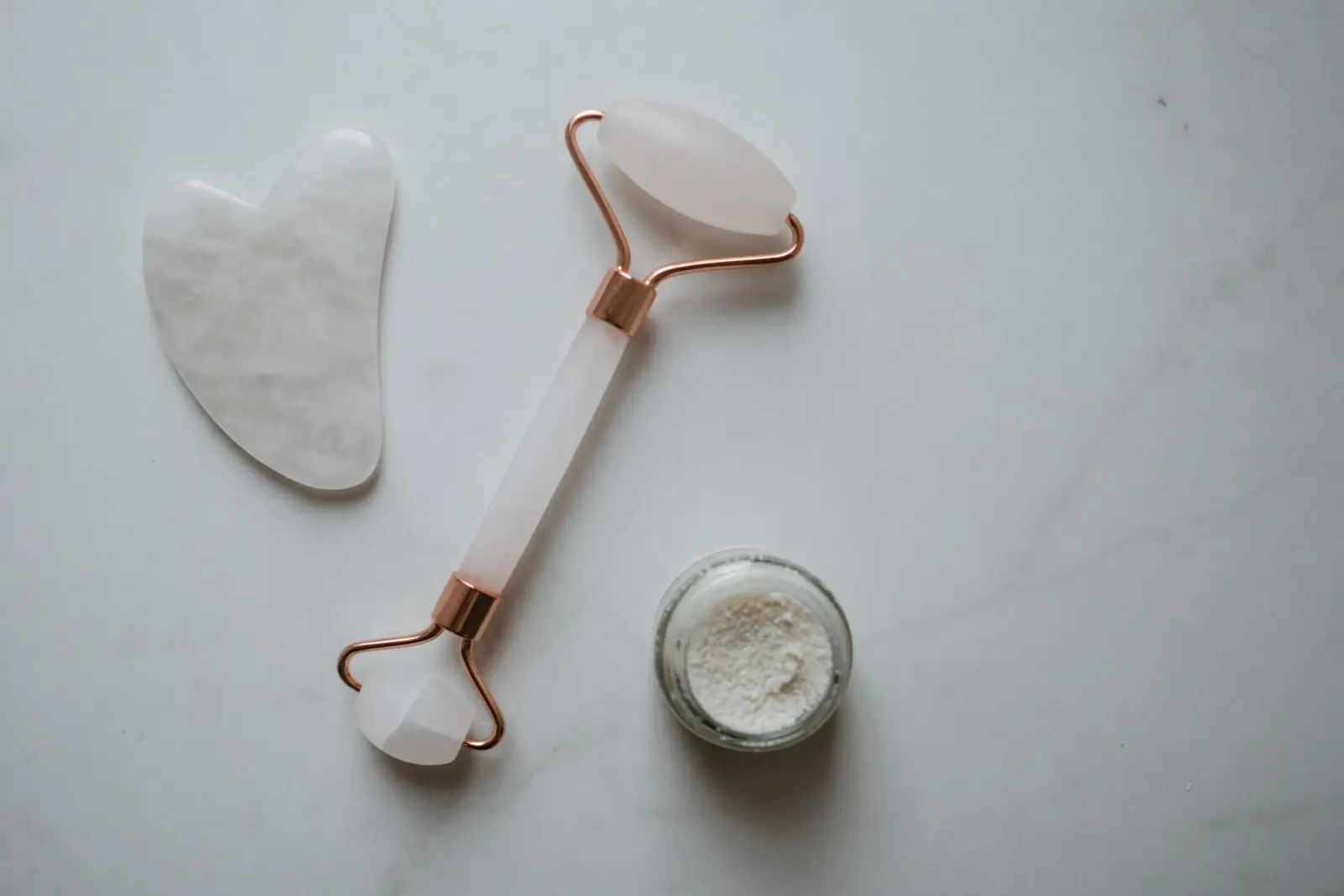
The best skincare tools for skin concerns come down to one device: an LED mask. Red light has some evidence behind it for early signs of ageing and skin texture, and blue light targets the bacteria involved in mild acne. Microcurrent devices have limited evidence for lifting, and facial rollers and cooling tools reduce puffiness briefly and do nothing for wrinkles. That order comes from Dr Hasia Al Khubra, an aesthetic dermatologist at Maison Mani Clinic, who spoke to Glamour UK about at-home devices and said the technology behind them matters more than the trend they arrived on.
Her other point is the one that saves you the most money: a consistent routine can make far more difference than an expensive device. Keep that in mind while you read the rest, because every gadget below is competing with a cleanser, a moisturiser and a sunscreen that cost a fraction as much.
LED masks: red light and blue light do different jobs
These are the masks you wear over your face for ten or twenty minutes while you do something else. Red light may help stimulate collagen production and improve skin texture. Blue light can be useful for certain types of acne because it targets acne-causing bacteria. Most masks sold now offer both settings, so the choice comes down to which concern you actually have.
If your breakouts are mild and mostly surface-level, blue is the setting that matches your problem. If what bothers you is crepey texture and the first fine lines around your eyes, red is the one to use. Al Khubra's wording is that red light may help, and that word is doing real work. Collagen turnover is slow, so judge a mask after a few months of regular use, not a few nights.
The practical risk with a mask is abandonment. A costly one you wear twice is worse value than a cheaper one you wear three times a week, so factor your own habits into the decision before you look at the specifications. Buy from somewhere with a returns window, because fit and comfort decide whether the thing stays in your bathroom or ends up in a drawer.
Microcurrent devices: a facial workout with thin evidence
Microcurrent tools pass low-level electrical currents through the skin to stimulate the facial muscles. You will see them marketed with before-and-after photos showing a lifted jawline. The evidence for significant lifting or tightening from at-home devices is limited, which is the polite version of saying the photos are doing more work than the device.
If you enjoy the ritual and the cool metal glide in the morning, that is a fair reason to own one, the same way a nice mug is a reason to drink tea. If you are buying it to reverse sagging skin, you are paying for a result nobody has shown these devices deliver. Loose skin and deep wrinkles are not problems a home gadget solves, and the money sits better in a sunscreen habit or a consultation with a dermatologist.
Rollers and cooling tools: puffiness, not wrinkles
Jade rollers, ice globes and chilled wands feel good and can temporarily reduce puffiness, particularly if you wake up with a puffy face after a salty dinner or a short night. What they will not do is tighten loose skin or get rid of wrinkles. Al Khubra said she would be cautious about spending hundreds of pounds on them expecting dramatic results.
A cold flannel or a spoon left in the fridge for ten minutes does the same job, and so does splashing cold water on your face. If you like the ritual and it helps you wake up, keep it. Just don't file it under skincare investment, because the effect wears off by mid-morning.
Matching the tool to your actual concern
Different technologies target different concerns, which is why the answer changes depending on what you are trying to fix. For mild acne, blue LED light is the device worth considering, and it works alongside proven acne treatments rather than replacing them. Adapalene 0.1% gel at night, or benzoyl peroxide, has stronger evidence behind it than any mask, and painful or persistent acne needs a doctor rather than a gadget.
For early fine lines and texture, red light is the better bet of the two settings, and daily sunscreen still beats both. Most of what you see as ageing on your face is sun damage, and no device undoes it as reliably as blocking the next dose of UV. If dullness is your complaint, a device is the wrong spend: gentle exfoliation two or three nights a week and a moisturiser that suits your skin will do more.
Pigmentation is the concern where I would not buy a device at all. LED masks are not a pigmentation treatment, and the at-home tools that claim to fade dark patches tend to disappoint. Daily sunscreen, a hat, and a dermatologist for stubborn patches is the honest route.
What to check before you spend
The piece does not quote prices for specific masks, so work out your own ceiling first and stick to it. Then ask two questions. Which concern is this device for, and does that match the one I actually have? And will I use it often enough to justify the cost, given that the effect depends on repetition?
I would add a third: is there a cheaper product with better evidence for the same concern? For acne, texture and pigmentation, most of the time the answer is yes, and it costs less than a single device.
The routine that does more than a device
Morning: a gentle cleanser, or just water if your skin is dry, then a moisturiser and a broad-spectrum sunscreen of SPF 30 or higher. A niacinamide 5% serum is a reasonable add-on if you want one, and it sits under the moisturiser.
Evening: cleanser, one active, moisturiser. If acne is the concern, adapalene 0.1% two or three nights a week is a sensible starting point, and you can build up as your skin tolerates it. Add one active at a time and patch test it on your jaw for a few nights before you use it on your whole face.
Who should skip the device aisle
If you have painful or cystic acne, a rash that will not settle, or a mole that is changing, see a doctor or dermatologist before you buy anything from this list. Devices are for mild, cosmetic concerns, and they are a poor substitute for a diagnosis. If you are pregnant or breastfeeding, check any active ingredient with a professional before you start it.
Frequently asked questions
- Do LED face masks actually work?
- There is some evidence for them. Red light may help with collagen production and skin texture, and blue light can help mild acne by targeting acne-causing bacteria. Judge results over months of regular use, not weeks, and keep a basic routine going alongside the mask.
- Is microcurrent worth it for a lifted jawline?
- Not for that purpose. The evidence for significant lifting or tightening from at-home microcurrent devices is limited. Buy one only if you enjoy the ritual, and do not expect it to reverse sagging skin or deep wrinkles.
- Can I use an LED mask with retinol or adapalene?
- Usually yes, but treat your skin gently at first. If you are new to a retinoid, get used to it before adding a mask, and stop the mask if your skin stings, flakes or turns red. Ask a dermatologist if you are unsure.
- Are jade rollers a waste of money?
- They are not useless, but they are not skincare either. They can temporarily reduce puffiness and they feel pleasant. They will not tighten loose skin or remove wrinkles, and a cold flannel does the same thing for nothing.
- What is the best tool for acne?
- Blue LED light is the device a dermatologist would consider for mild acne. For most people, a proven topical such as adapalene 0.1% or benzoyl peroxide does more. Painful or persistent acne should be seen by a doctor.
Sources
Further reading
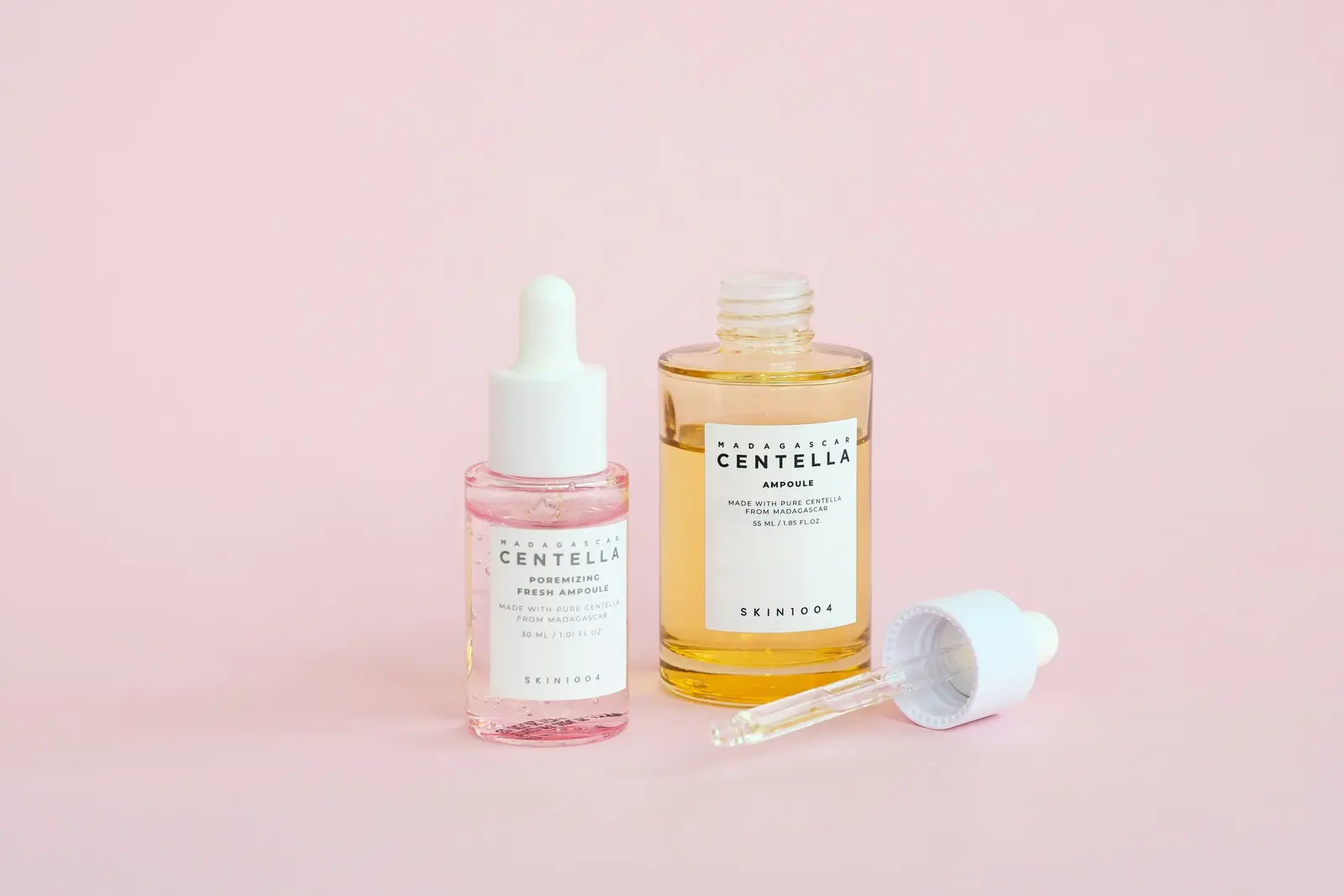
Best retinol serum: the $49 retinal I'd start most people on
Medik8 Crystal Retinal 3 at 0.03% is the retinol serum most people should buy first, with a gentler pick for sensitive skin and a $12 drugstore fallback.
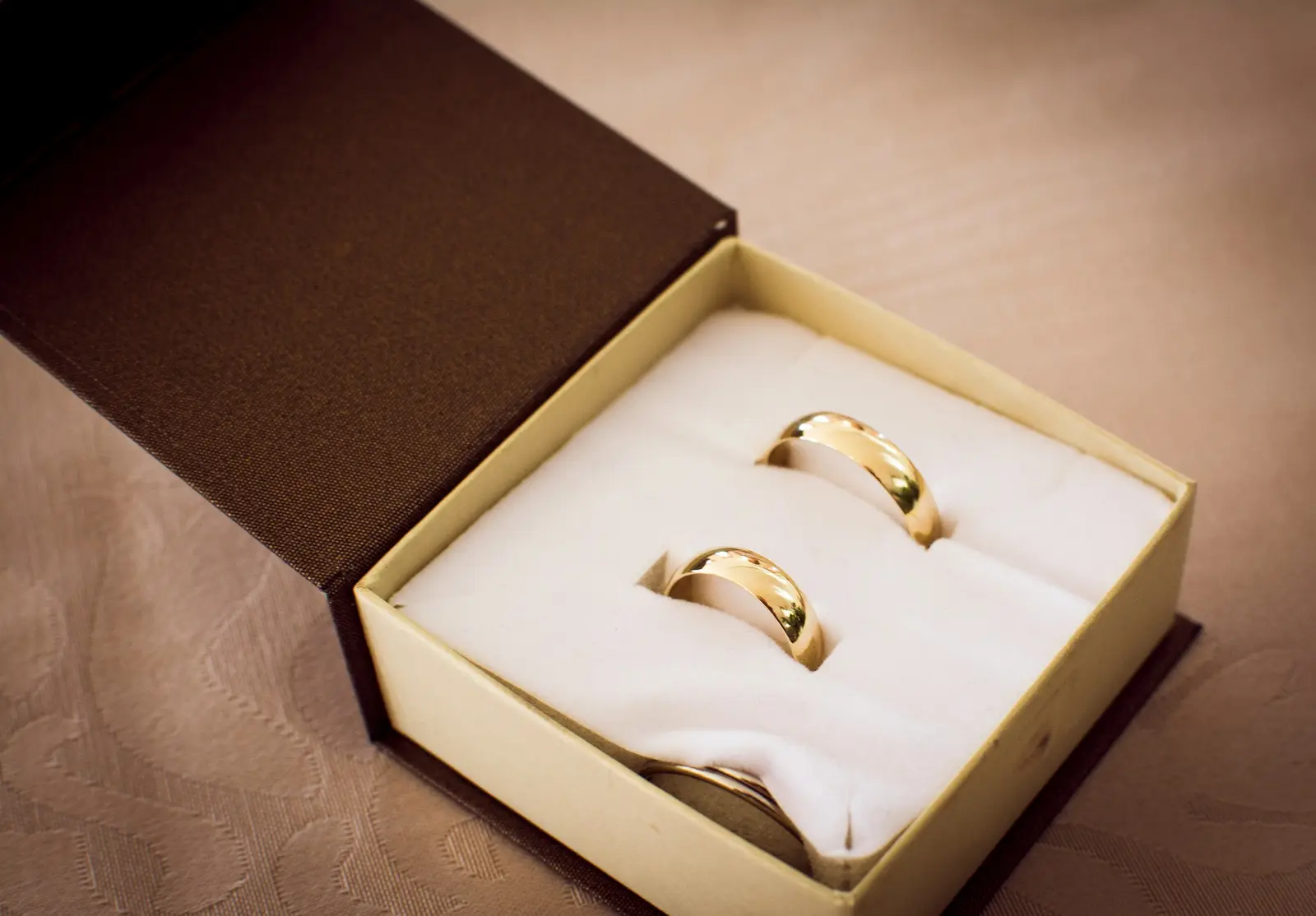
Tiffany gold gifts: 3 pieces worth it, and who should skip
Three 18-karat yellow gold Tiffany pieces, matched to the person you're buying for, plus what to check on size, metal color and returns before you pay.
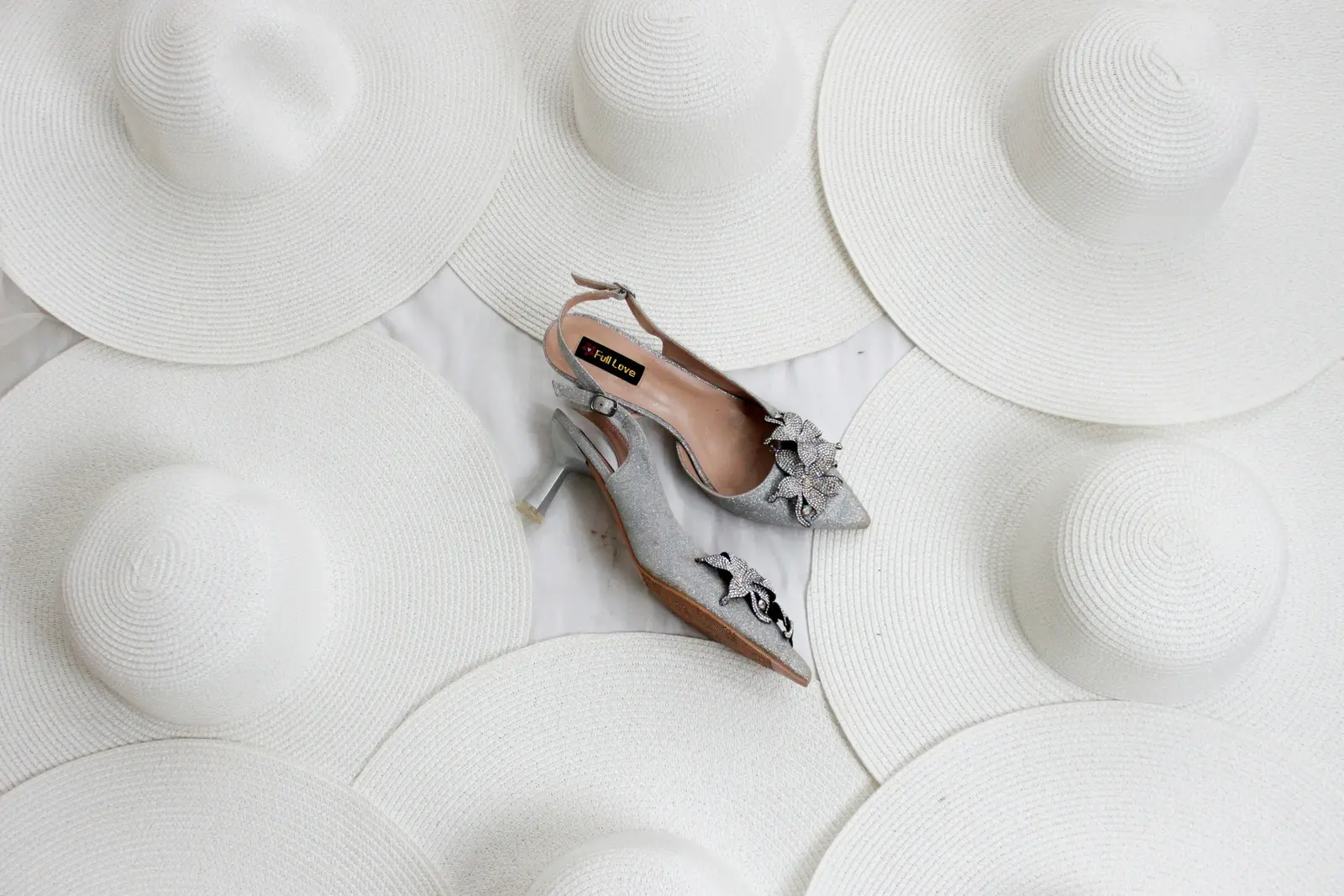
Slingback heels are back for 2027, and two-tone is the pick
Slingback heels are back in style for 2026, and the pair driving the trend is two-tone: a contrast toe cap, often square, modeled on Chanel's 1957 design.