Best retinol serum: the $49 retinal I'd start most people on
Medik8 Crystal Retinal 3 at 0.03% is the retinol serum most people should buy first, with a gentler pick for sensitive skin and a $12 drugstore fallback.
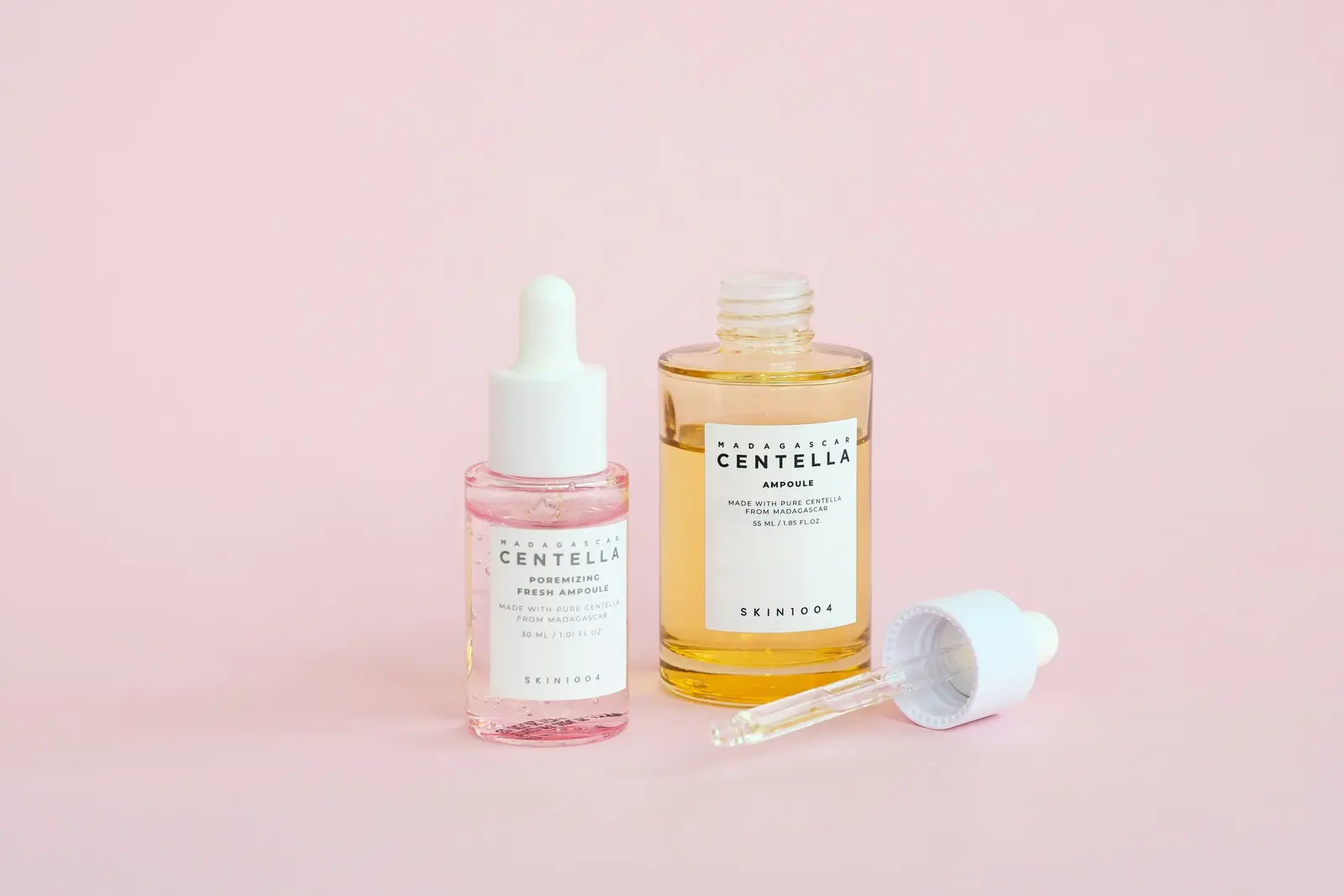
Some links in this article are affiliate links: if you buy through one, we may earn a commission at no extra cost to you. As an Amazon Associate we earn from qualifying purchases. How affiliate links work here
The best retinol serum for most people starting out is Medik8 Crystal Retinal 3, a 0.03% retinaldehyde serum that sells for $49 in one listing and more than $60 an ounce in another. Retinaldehyde converts to retinoic acid in one enzyme step and retinol needs two, so 0.03% retinal does more per application than a much bigger retinol percentage. If your skin has stung or peeled badly on retinoids before, Anua Retinol + 0.3% Niacin Serum is the gentler start.
Anua Retinol + 0.3% Niacin Serum
The sensitive-skin pick, for faces that sting with most actives or have peeled on a stronger retinoid.
You don't have to spend $75 to begin. Retinol is one of the few actives where a cheap bottle is a fair first purchase: a 2026 shopping roundup listed its most budget-friendly pick at $11.90 and named its overall winner at $16.49. The pricier serums below earn the money with encapsulation and texture, which matter most if your skin reacts to everything.
What retinol does to skin
Retinol speeds up cell turnover, which is why it changes texture, tone and breakouts together. Kim Nichols, a board-certified dermatologist and founder of NicholsMD of Greenwich in Connecticut, says it refines skin and reduces the signs of aging caused by environmental factors, and credits it with shrinking pore size and fading blemishes, hyperpigmentation and dark spots. She calls it the number one anti-aging ingredient she recommends to clients.
The strength question is really a tolerance question. Leah Jacob, an assistant professor of dermatology at Tulane University, describes retinol as a weaker version of tretinoin, the prescription retinoid, and points out that retinol suits people whose skin can't handle the prescription form. A serum you use twice a week beats a stronger one that leaves you red and puts you off for a month.
Retinal vs retinol: one conversion step
Both ingredients are precursors. Your skin has to turn them into retinoic acid before they do anything, and each conversion loses part of the dose. Retinaldehyde needs one step, retinol needs two. Wirecutter's testers reported that retinal has been linked to quicker, more visible results than retinol for that reason.
Encapsulation is the second variable. Medik8 wraps the retinaldehyde in a lipid shell to regulate absorption, and several testers on that panel reported no sensitivity at all. The line comes in six strengths, from 0.01% for sensitive skin up to 0.24% for people who have used retinoids for years.
The five serums worth buying
Medik8 Crystal Retinal 3 Night Serum is the one I'd buy first. Testers praised how it spreads: it looks like lotion in the pump and turns into a thin layer on skin, and one described her face feeling "a teeny bit dry" afterward, which is close to the mildest reaction a working retinoid produces. It has no added synthetic fragrance. The price is the flaw, at $49 in one listing and over $60 an ounce in another, so check the size before you order.
Medik8 Crystal Retinal 3 Night Serum
Encapsulated 0.03% retinaldehyde converts to retinoic acid in one step, so it acts faster than retinol, and testers reported little to no irritation.
Pros
- 0.03% retinaldehyde needs one conversion step, so it acts faster than the same strength of retinol
- Encapsulated, and testers reported little to no irritation
- Spreads like a lotion with no added synthetic fragrance
Cons
- Expensive: $49 in one listing, over $60 an ounce in another
- One tester still felt slight dryness
Murad Retinol Youth Renewal Serum pairs three forms of retinol with swertia flower extract and hyaluronic acid, and it took the top spot in The Derm Detective's 2026 ranking of retinol serums. It suits mature skin where firmness and elasticity are the concern. If you have never used a retinoid, start lower and move to this once your skin is calm.
Murad Retinol Youth Renewal Serum
Three forms of retinol with swertia flower extract and hyaluronic acid, aimed at mature skin where firmness and elasticity are the concern.
La Roche-Posay Retinol B3 Serum is the pharmacy option. It pairs retinol with vitamin B3, or niacinamide, which is a reasonable buffer alongside a retinoid, and it is aimed at rough, uneven texture rather than deep lines. For a brand sold in drugstores, that combination does most of what a prestige serum does.
La Roche-Posay Retinol B3 Serum
A drugstore retinol paired with niacinamide, aimed at rough, uneven texture rather than deep lines.
Anua Retinol + 0.3% Niacin Serum is the sensitive-skin pick in the same 2026 ranking, and Anua is one of several K-beauty brands now selling retinal and retinol serums in the US. If your face stings with most actives, or a stronger retinoid has left you flaky, restart here and stay for a month before changing anything.
The Ordinary's squalane-based retinol is the budget choice. Shari Sperling, a board-certified dermatologist in New Jersey, recommends it for fine lines, wrinkles, acne and dark spots, and the price is hard to argue with. Some buyers find the formula oily, so it suits dry skin better than combination skin.
The Ordinary Retinol in Squalane
A budget retinol with squalane and jojoba seed oil that a New Jersey dermatologist recommends for fine lines, acne and dark spots; the texture runs oily, so it suits dry skin.
How to start without wrecking your skin
Apply it at night, after cleansing and before moisturizer, using a pea-sized amount for the whole face. Twice a week for the first fortnight, then every other night if your skin stays calm. Put moisturizer on top if you feel tight, and keep acids, benzoyl peroxide and facial waxing on different nights. Sunscreen every morning matters more than usual, because retinoids leave skin more prone to sun irritation and daily SPF does more for your face than any serum you'll buy this year.
What to skip
Percentages printed on the front of a box compare badly across brands, because 1% retinol in a formula that has been sitting on a warm shelf can do less than 0.03% retinal in a sealed pump. Ignore "medical grade" and "clean retinol" as well; neither phrase is regulated or tells you what is in the bottle. Fragrance in a retinoid serum is a bad trade, since it adds irritation to an ingredient that already asks a lot of your skin.
Bakuchiol products marketed as retinol alternatives are gentler, and the published evidence for visible change in lines and pigmentation is thinner than for retinol. Treat them as their own step if you like them, and don't expect them to do a retinoid's job.
Frequently asked questions
- What percentage retinol should I start with?
- Start low. Medik8's range runs from 0.01% retinal for sensitive skin to 0.24% for long-term users, and 0.03% is the version its testers used. A weaker product you can tolerate three nights a week beats a stronger one that leaves you peeling. If you have never used a retinoid, begin at the bottom of a brand's range.
- Can I use retinol every night?
- Yes, eventually. Begin twice a week and add a night every two weeks while your skin stays calm. Most people settle at three or four nights a week. If you turn red, flaky or stinging, drop back to twice a week, put moisturizer on top and build again.
- Is retinal better than retinol?
- Retinal converts to retinoic acid in one step and retinol in two, so retinal tends to act faster at a lower concentration. Both work. Choose retinal if you want results sooner and can pay for it; choose retinol if your skin is reactive or your budget is tight.
- Can I use retinol with vitamin C?
- Usually yes, at different times of day. Vitamin C in the morning and retinol at night is the simplest split. Some people use both in one evening routine without trouble. If your skin stings when you layer them, separate them.
Sources
Further reading
Skincare tools for skin concerns: what's worth the money
LED masks have the best case behind them for acne and early ageing, microcurrent is a maybe, and rollers only shift puffiness. A plain routine still wins.
Tiffany gold gifts: 3 pieces worth it, and who should skip
Three 18-karat yellow gold Tiffany pieces, matched to the person you're buying for, plus what to check on size, metal color and returns before you pay.
Slingback heels are back for 2027, and two-tone is the pick
Slingback heels are back in style for 2026, and the pair driving the trend is two-tone: a contrast toe cap, often square, modeled on Chanel's 1957 design.