Tinted SPF for dark circles that won't crease or sting your eyes
A tinted SPF can cover dark circles and protect the thin skin under your eye at once. Look for mineral filters, a peach undertone and a humectant, and watch the shade range.
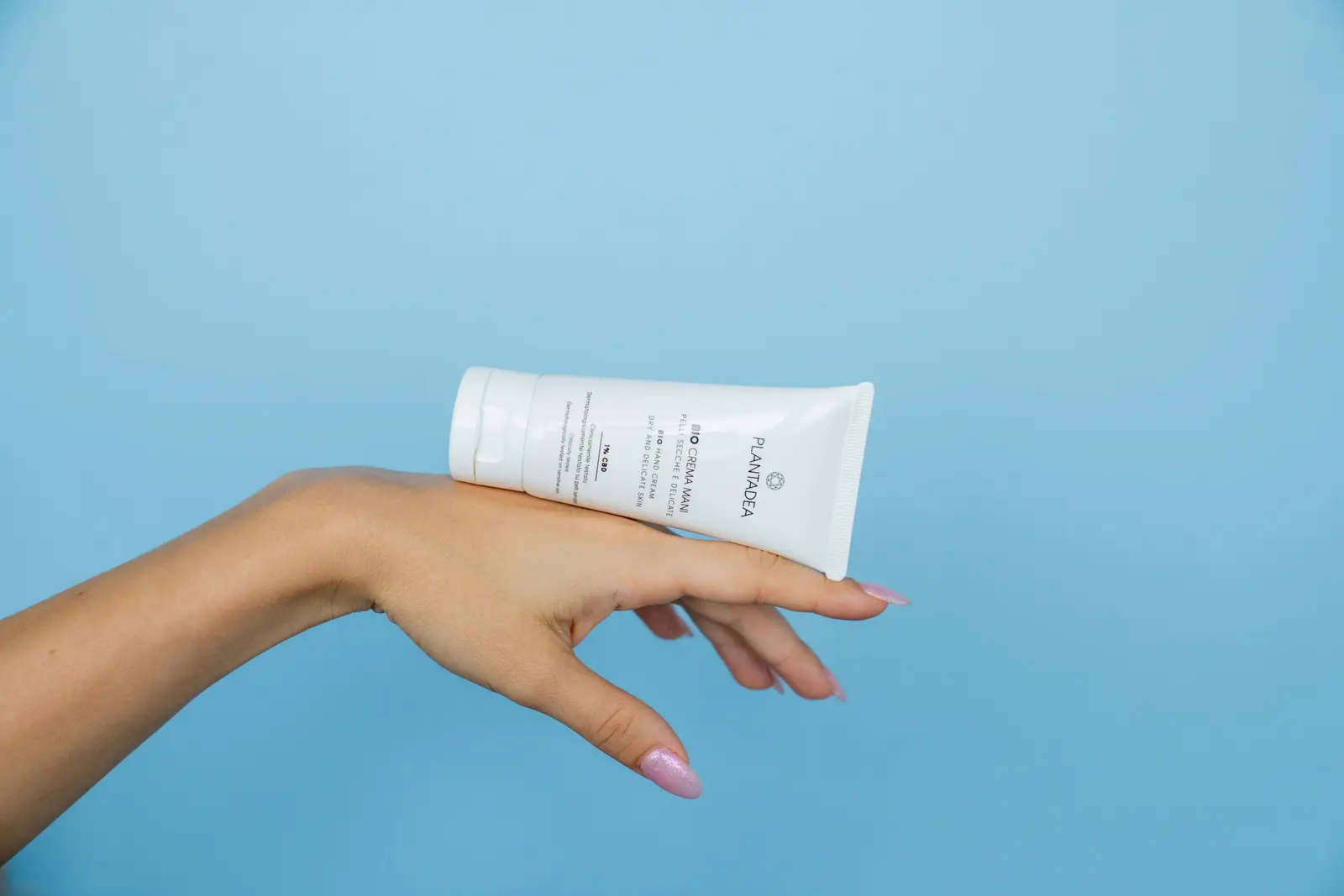
The best tinted SPF for dark circles has mineral filters, a peach or warm undertone, and a humectant high in the ingredient list. That covers the three things under-eye skin needs: UV protection, color correction and enough water to stop fine lines from looking deeper. Hydration is where the cheaper formulas fall down.
Writing up under-eye tinted sunscreens for Elle, Dr. Pearl Ugwu-Dike, a board-certified dermatologist in New York City, named pigmentation and photoaging as the two concerns these products tackle at once, and picked out a formula that combines peptides, hyaluronic acid and a cooling applicator. That's a fair account of what the format can do. What it can't do is erase a circle you've had for ten years.
What the tint does that a clear SPF doesn't
Under-eye darkness is pigment plus shadow. Some of the color comes from sun exposure and from rubbing your eyes; some is the bluish show-through of veins under skin thinner than a sheet of paper. A clear sunscreen helps with the first and does nothing visible for the second. A peach tint handles both, because orange sits across the color wheel from blue and mutes it.
Dr. Ugwu-Dike described one of the products, from RMS, as relying on sheer peachy undertones to neutralize the look of darkness while skin still reads as skin. That formula also includes caffeine and coffee seed extract. Caffeine narrows blood vessels slightly, so it can take down morning puffiness for a few hours. It does nothing for pigment.
The filters and the pigment
Both mineral formulas in the roundup list titanium dioxide and zinc oxide. Those filters sit on the surface and scatter UV, and they tend to sting less than avobenzone if a little product creeps toward the lash line, which is a real risk when you're working a centimeter from your eye. The color itself comes from iron oxides, the same pigments used in foundation.
Iron oxides also block some visible light, the part of daylight associated with pigment conditions like melasma. You get that as a side effect of wanting to look less tired, which makes this one of the few cosmetic steps that also adds protection.
Why humectants matter more under the eye
The skin under your eye is thin and has almost no oil glands, so it creases when it's dry. One formula in the roundup pairs titanium dioxide and zinc oxide with snow mushroom, peptides, ceramides and sodium PCA. Dr. Ugwu-Dike said the snow mushroom acts as a humectant, which she called particularly helpful on delicate eye skin where dehydration can exaggerate fine lines.
Glycerin, hyaluronic acid, snow mushroom and sodium PCA pull water into the surface layer; ceramides slow the water escaping afterward. Peptides are the weakest item on that list. They appear in most eye products and the evidence for visible change at cosmetic concentrations is thin, so don't pay a premium for them alone. What you'll notice by mid-afternoon is whether the formula held water.
Four shades is the limit you'll hit first
Both mineral formulas come in four shades. That leaves most people choosing between too light and too dark, and if you have deep skin you may find nothing in the range that doesn't turn grey on you. Check undertone before depth: you want a peach or warm apricot that sits on skin close to your own, not a pale peach you plan to sheer out with moisturizer.
Two ways these go wrong
A cooling metal applicator feels good at 7 a.m. and pushes out far more product than one under-eye needs. Tap it once, put the product on the back of your hand, then press a small amount under the eye with your ring finger. The other failure is coverage creep: at least one of these is easy to overdo, and overdone tint behaves like concealer and creases like concealer. Use the thinnest layer that evens the tone. Deep darkness is a job for a corrector underneath, not for more sunscreen.
Where it fits in your morning
- Cleanse gently, and keep scrubs and high-percentage acids away from the eye area.
- Moisturizer if your skin is dry, then wait a minute so it sets.
- Tinted SPF under each eye, one thin layer, pressed in rather than rubbed.
- A separate sunscreen at SPF 30 or higher for the rest of your face, about a quarter teaspoon.
The tint is not your face sunscreen. You'll use a few milligrams under each eye, nowhere near the 2 mg per square centimeter the SPF number on the label is measured at. Keep it as a top-up and use a real sunscreen for the rest of your face. At lunch, press a little more under the eye with a finger and don't rub.
Removing it at night
Iron oxides are pigment, so treat the under-eye like makeup. Oil cleanser or micellar water first, then your usual cleanser, then moisturizer. If the area feels tight or looks flaky after a week, the formula is too drying for you and a lighter tinted fluid will suit you better.
Who should skip it
- You have structural shadows. If the darkness is a hollow under the brow bone or a deep tear trough, no topical changes it. A reflective concealer does more than a tint.
- Your under-eye is very textured. Heavy tints settle into fine lines and bumps; a thin tinted fluid or a clear SPF plus a corrector works better.
- You want one product for your whole face. A full-face tinted SPF covers the eye area anyway and saves you a step.
If the skin under your eye is itchy, flaky or stinging, stop using the product. Under-eye pigmentation has several causes, including genetics, rubbing and hay fever, and some need a prescription rather than a tint. See a dermatologist if the darkness is changing or appears on one side only.
Common questions
- Does tinted SPF get rid of dark circles?
- No. It covers them while you wear it and stops UV from making the pigment darker over time. Fading existing pigment needs an active such as azelaic acid, vitamin C or a prescription retinoid, and under-eye skin is thin enough that a dermatologist should guide that.
- Can tinted SPF replace concealer?
- Often, yes, if the shade matches and the coverage is sheer enough to look like skin. For a deep circle or a hollow, layer a peach corrector underneath and keep the tint thin on top so it doesn't settle into lines.
- How much under-eye SPF do I need?
- A grain of rice per eye is realistic, and it's well below the amount the SPF number is measured at. That's why you still need a full-face sunscreen, about a quarter teaspoon, on everything else.
- Is mineral better than chemical for the under-eye area?
- Mineral filters sting less if product gets into your eye, and you need mineral pigments for the tint anyway. Chemical filters are fine on the rest of your face. If your eyes water with every sunscreen, try a fragrance-free mineral formula.
- Will it crease?
- Less if the formula has humectants and you use a thin layer. Let moisturizer set for a minute first, press the tint in with a finger instead of rubbing, and go light on powder on top.
- Do I still need an eye cream?
- Only if your under-eye feels tight by afternoon. A plain moisturizer under the tint does the same job as a dedicated eye cream, usually for less money.
Sources
Further reading

Tiffany gold gifts: 3 pieces worth it, and who should skip
Three 18-karat yellow gold Tiffany pieces, matched to the person you're buying for, plus what to check on size, metal color and returns before you pay.
Best retinol serum: the $49 retinal I'd start most people on
Medik8 Crystal Retinal 3 at 0.03% is the retinol serum most people should buy first, with a gentler pick for sensitive skin and a $12 drugstore fallback.

Slingback heels are back for 2027, and two-tone is the pick
Slingback heels are back in style for 2026, and the pair driving the trend is two-tone: a contrast toe cap, often square, modeled on Chanel's 1957 design.