How to treat menopausal acne when your skin is dry and sensitive
Menopausal acne means tender chin cysts on drier, thinner skin. Here's the gentler routine that works, plus when to see a dermatologist about scarring.
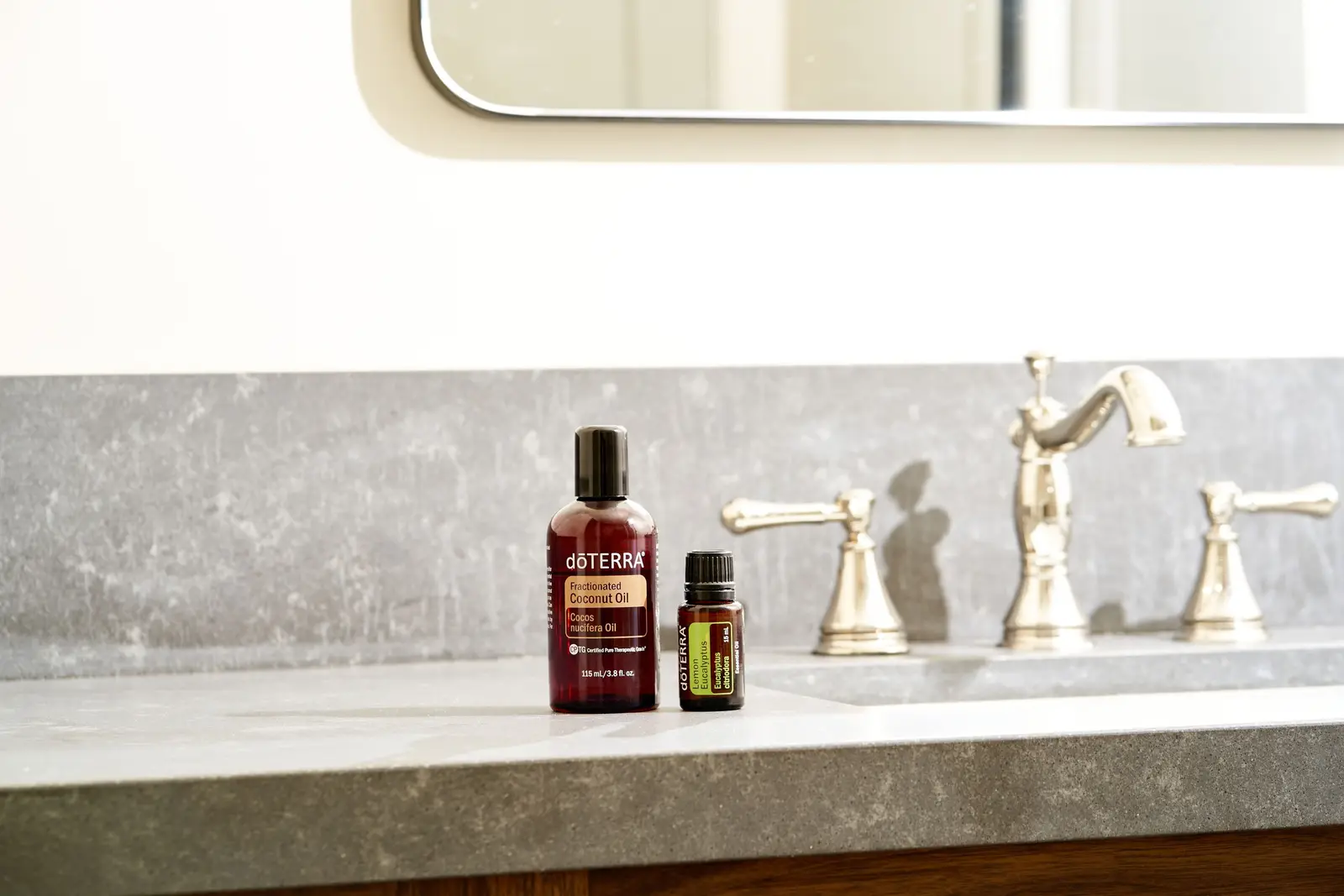
The breakouts start with hormones and land on skin that behaves differently from the skin you had at 20, which is why the treatment looks different too. Estrogen and progesterone fall through perimenopause, leaving androgens such as testosterone with more relative influence. Dr. Elizabeth Hale, a board-certified dermatologist, told ELLE that this shift raises oil production and triggers breakouts at the same time as the rest of your face becomes drier, thinner, and more sensitive.
Why the spots sit on your chin and neck
Location is the giveaway. Dr. Suzan Obagi, a board-certified dermatologist and director of the UPMC Cosmetic Surgery & Skin Health Center, describes flares of large, tender papules and cysts along the chin and upper neck, the kind that take weeks to settle. Before one round resolves, the next arrives. That is a different pattern from the forehead-and-T-zone acne most teenagers get, and from the cystic spots some women had in their 20s and 30s.
Predictability goes too. Acne in your 20s and 30s often tracked a regular monthly cycle, and Hale notes that perimenopausal cycles become irregular, so flares feel random. If you never had acne before and it has arrived at 48, you are in the group Obagi describes as especially frustrated by it.
Why your teenage routine now stings
Teenage skin is usually oily, resilient, and tolerant of aggressive treatment, as Hale puts it. Skin in perimenopause is thinner, drier, and quicker to react. A 10% benzoyl peroxide cream and a salicylic scrub that calmed your face at 17 will leave it red and tight now, and irritated skin heals slowly and marks easily. The active still works; the strength and the frequency are what have to change.
Hale and Obagi describe the condition itself. The routine below is the standard first-line approach for hormonal acne, and a dermatologist will adjust the strengths to your skin.
A routine your skin can tolerate
Morning is short. Keep it to three steps and use lukewarm water, since hot water strips the barrier further.
- Cleanse with a non-foaming, fragrance-free cleanser. No grains, no brushes.
- Moisturise while your skin is still damp. A cream with ceramides or glycerin suits thin, dry skin better than a gel.
- Apply broad-spectrum SPF 30 or higher. Retinoids and azelaic acid both make skin more sun-sensitive, and the brown marks left by old spots darken with UV.
Evening is where the actives go, one at a time. Start with azelaic acid 15% to 20% on the chin and jaw, or benzoyl peroxide 2.5% as a thin layer on breakout areas only, not the whole face. Higher percentages of benzoyl peroxide (5% and 10%) kill the same bacteria and irritate more, so 2.5% is the sensible starting point on thinner skin. Azelaic acid has the advantage of fading the marks cysts leave behind.
Once your skin has settled on one active for two weeks, add a retinoid on alternate nights: adapalene 0.1% over the counter, or tretinoin 0.025% by prescription. Use it on the nights you skip the benzoyl peroxide, since layering the two in one evening multiplies the irritation. Apply moisturiser over the top, and expect dryness for the first month. Patch test anything new on your jawline for three nights before making it a habit.
When topicals are not enough
Cysts that keep returning need the hormone side addressed. A dermatologist can prescribe spironolactone, a pill that blocks androgen receptors and lowers oil production; it is a common next step for hormonal cystic acne in women and usually takes around three months to show a change. Short courses of oral antibiotics calm inflammation in the meantime. If you use hormone therapy, tell both your dermatologist and your GP, because the type and dose can affect your skin.
Habits worth dropping
- Scrubbing. Physical exfoliants on thin skin cause small tears and more redness. Cleanse gently and leave it there.
- Layering acids and a retinoid on the same night. That is how a barrier breaks down, and a broken barrier looks like more acne.
- Picking. Obagi notes that untreated acne scars, and squeezing a cyst on your chin is the quickest route to a mark that outlasts the spot by a year.
- Buying on "chemical-free" labels. Benzoyl peroxide and azelaic acid are the chemicals doing the work, and the phrase means nothing on a box.
When to see a dermatologist
Book an appointment if the lumps are deep and painful, if you are seeing pitting or dark marks that persist, or if eight to twelve weeks of over-the-counter actives has changed nothing. Chin and jaw skin scars in a visible place, and Obagi's point about the next flare arriving before the last one clears is the reason waiting rarely helps. I am not a dermatologist, and a painful or spreading flare deserves an appointment rather than another product.
FAQ
- Where does menopausal acne usually appear?
- On the chin and upper neck. Obagi describes large, tender papules and cysts in that area rather than the forehead and T-zone spread seen in teenagers, and the lesions take a long time to resolve.
- Can I use the same acne products I used as a teenager?
- The same ingredients, at lower strengths. Benzoyl peroxide 2.5% instead of 10%, azelaic acid 15% instead of a strong acid peel, and a retinoid two or three nights a week rather than nightly. Thin, dry skin tolerates less, and irritation makes marks darker.
- Does menopausal acne clear up on its own?
- Sometimes it settles as hormone levels stabilise, but the pattern Obagi describes, where a new flare starts before the last one heals, can run for months. Untreated acne scars, so get persistent cysts assessed rather than waiting it out.
- Is menopausal acne caused by not washing enough?
- No. Androgens raise oil production, and cleansing more often makes it worse by damaging the barrier. Twice a day with a gentle cleanser is enough.
- Should I stop hormone therapy to clear my skin?
- That is a decision for your doctor, not a skincare one. Some women find their skin changes with the type or dose of hormone therapy, so raise it at your next appointment rather than stopping on your own.
- How long does a new acne routine take to work?
- Give an active eight to twelve weeks before judging it, and expect the first two weeks to be the worst for dryness and peeling. Introduce one product at a time so you know what caused a reaction.
Sources
Further reading
Tiffany gold gifts: 3 pieces worth it, and who should skip
Three 18-karat yellow gold Tiffany pieces, matched to the person you're buying for, plus what to check on size, metal color and returns before you pay.
Best retinol serum: the $49 retinal I'd start most people on
Medik8 Crystal Retinal 3 at 0.03% is the retinol serum most people should buy first, with a gentler pick for sensitive skin and a $12 drugstore fallback.
Slingback heels are back for 2027, and two-tone is the pick
Slingback heels are back in style for 2026, and the pair driving the trend is two-tone: a contrast toe cap, often square, modeled on Chanel's 1957 design.