Vitamin C serums for dark spots: when ascorbic acid stings
Ascorbic acid is the vitamin C form dermatologists point to for fading dark spots. The other three forms, morning application, and the label claims worth ignoring.
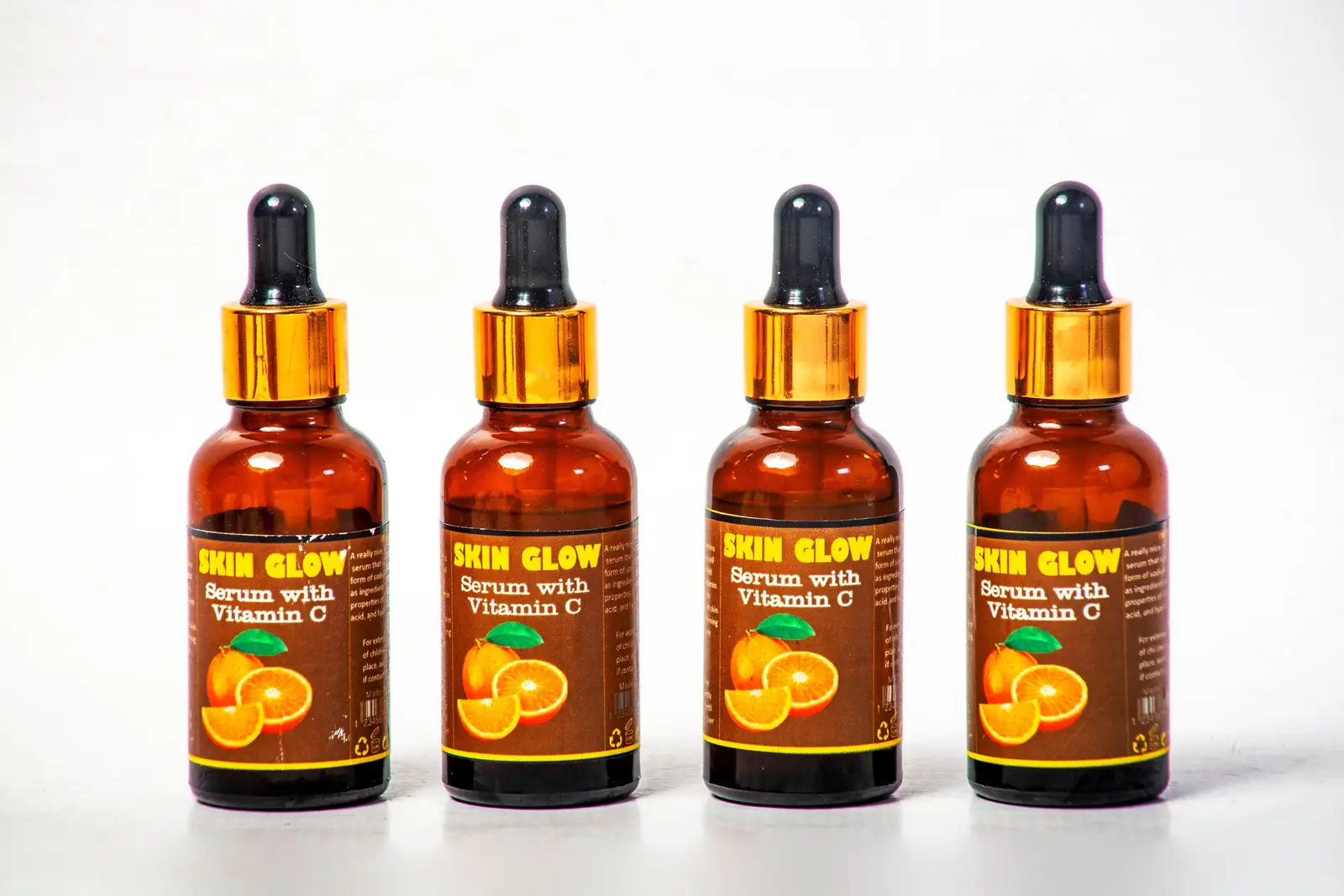
Start with L-ascorbic acid. It's the form dermatologists name first for pigment and the one with the longest record behind it. Apply it in the morning, then sunscreen. The rest of the decision, which strength and which of the other three forms to fall back on, is a question about what your skin will tolerate.
What vitamin C does to a dark spot
Melanin production runs through an enzyme called tyrosinase. Vitamin C blocks it. Dr. Patricia Wexler, a board-certified dermatologist in New York, describes vitamin C as inhibiting melanin production, which fades discoloration you already have and makes new dark spots less likely to form. Dr. Leah Ansell of Treiber Dermatology Associates in Rye, New York, puts it the same way: vitamin C blocks the enzyme that creates melanin, so spots lighten over time.
It also behaves as an antioxidant. Dr. Joshua Zeichner, a board-certified dermatologist in New York, describes vitamin C as neutralizing free radicals, the molecules sunlight and pollution generate and that break down collagen. Ansell adds that vitamin C is a cofactor for the enzymes that build collagen, so it supports new collagen while protecting what you have. Pigment control is the part that matters for hyperpigmentation; the collagen effect is a bonus you may notice later, if at all.
The fading is gradual. Anything promising a clear face in a week is describing something vitamin C does not do.
The four forms, and which one to buy
Ascorbic acid, also written L-ascorbic acid, is the standard. Allure's guide calls it the gold standard for stability and efficacy, and Wexler's explanation is about penetration: pure ascorbic acid has consistently been proven the most effective at crossing the skin barrier.
- Ascorbic acid (L-ascorbic acid): the form with the evidence. First choice for dark spots.
- Tetrahexyldecyl ascorbate: one of the alternatives Wexler lists among dermatologist-approved forms.
- Magnesium ascorbyl phosphate: another in that group.
- Methylsilanol ascorbate: the third she names.
Wexler rates the alternatives as legitimate, dermatologist-approved options. She doesn't claim they penetrate as well as ascorbic acid, and no one in either guide says they fade pigment equally.
The reason to pick one anyway is your skin. Ascorbic acid is an acid, and some faces sting, flush or flake under it. If yours does, an alternative form at a strength you can wear every day beats the more effective form you can't wear at all.
How strong should it be
Neither guide settles on a target percentage, so there's no number to chase. What they describe is a trade-off: enough concentration to do something, not so much that you stop using it. Pick the lowest strength you can find, apply it daily, and move up only if your skin stays calm.
A high-strength serum you abandon after a week does less than a low-strength one you finish.
Use it in the morning
Ansell recommends applying it in the morning. Her reason: vitamin C is used to build and protect skin during the day, when UV and pollution exposure is happening. Zeichner frames it as the daytime counterpart to the retinol or exfoliating acids you'd use at night.
Cleaner first, then the serum, then moisturiser, then sunscreen. Ansell notes that vitamin C aids your SPF's ability to protect skin from UV damage, so the two steps reinforce each other. If you only have patience for one of them, keep the sunscreen.
What to ignore on the label
Vitamin C is unstable, and Ansell lists volatility alongside the right form and correct use as the three things that decide whether it works for you. Keep the cap on, don't store the bottle in a hot bathroom, and don't hang onto a half-empty one for years.
Ignore 'chemical-free'. Water is a chemical and so is ascorbic acid. The phrase is marketing.
Price is a poor guide to the form. Read the ingredient list: if it names ascorbic acid or L-ascorbic acid, you know what you're buying. If it names a fruit extract or a vague 'vitamin C complex', the form and the strength are anyone's guess.
When to see a dermatologist
Vitamin C works slowly, and it won't shift every kind of pigmentation. If a spot is changing shape or colour, or the discoloration is spreading, see a dermatologist instead of buying another serum. The same applies if you have rosacea or eczema: patch test a new serum on your jaw for a few days before you commit it to your face. I'm not a dermatologist, and a stubborn patch of pigment deserves a diagnosis.
Frequently asked questions
- Which vitamin C is best for hyperpigmentation?
- L-ascorbic acid. Dr. Patricia Wexler names pure ascorbic acid as the form proven most effective at penetrating the skin barrier. Tetrahexyldecyl ascorbate, magnesium ascorbyl phosphate and methylsilanol ascorbate are the alternatives she lists; try one of those if ascorbic acid stings or flakes your skin.
- Can I use vitamin C serum every morning?
- Yes. It's designed for daytime use, since it protects against the free radicals UV and pollution create. Apply it after cleansing and before moisturiser and sunscreen, and keep it in your routine rather than reaching for it a few times a week.
- Can I use vitamin C with retinol?
- Yes, split them by time of day. Vitamin C in the morning, retinol at night. Dr. Joshua Zeichner describes vitamin C as the daytime counterpart to the retinol or exfoliating acids you use in the evening, so the two don't have to compete for the same slot.
- How long does vitamin C take to fade dark spots?
- Neither dermatologist quoted in these guides gives a timeline, and Dr. Leah Ansell describes the fading as gradual. Daily sunscreen during that time matters as much as the serum, because new UV exposure keeps triggering fresh pigment while the serum works on the old spots.
- What percentage of vitamin C should I look for?
- The sources don't publish a target percentage, so there's no number to chase. Start with the lowest strength on the shelf, use it daily, and move up only if your skin stays comfortable. Consistency fades pigment faster than a high concentration you stop using.
- Does vitamin C replace sunscreen?
- No. It supports sunscreen. Dr. Ansell notes that vitamin C aids your SPF's ability to protect skin from UV damage, which is why the two are used together in the morning. Without the SPF, you keep making new dark spots while the serum fades old ones.
Sources
Further reading

Tiffany gold gifts: 3 pieces worth it, and who should skip
Three 18-karat yellow gold Tiffany pieces, matched to the person you're buying for, plus what to check on size, metal color and returns before you pay.
Best retinol serum: the $49 retinal I'd start most people on
Medik8 Crystal Retinal 3 at 0.03% is the retinol serum most people should buy first, with a gentler pick for sensitive skin and a $12 drugstore fallback.

Slingback heels are back for 2027, and two-tone is the pick
Slingback heels are back in style for 2026, and the pair driving the trend is two-tone: a contrast toe cap, often square, modeled on Chanel's 1957 design.