How to regrow hair: what works now and what is still in trials
A diagnosis and a treatment cleared for your type of hair loss come before any serum. Here is what has evidence behind it, and what is still in trials.
Some links in this article are affiliate links: if you buy through one, we may earn a commission at no extra cost to you. As an Amazon Associate we earn from qualifying purchases. How affiliate links work here
The short answer to how to regrow hair: get your loss graded, start one treatment that matches that grade, and stay on it long enough to judge it. Everything else, including which injectable or trial drug is worth watching, comes after those steps. Nothing you can buy works in a week, and the fastest way to waste money is to start with a product instead of a diagnosis.
Find out which kind of shedding you have
About 30 million women in the United States have pattern hair loss, according to the Cleveland Clinic. That figure matters because pattern loss and temporary shedding get different treatment, and one will not fix the other.
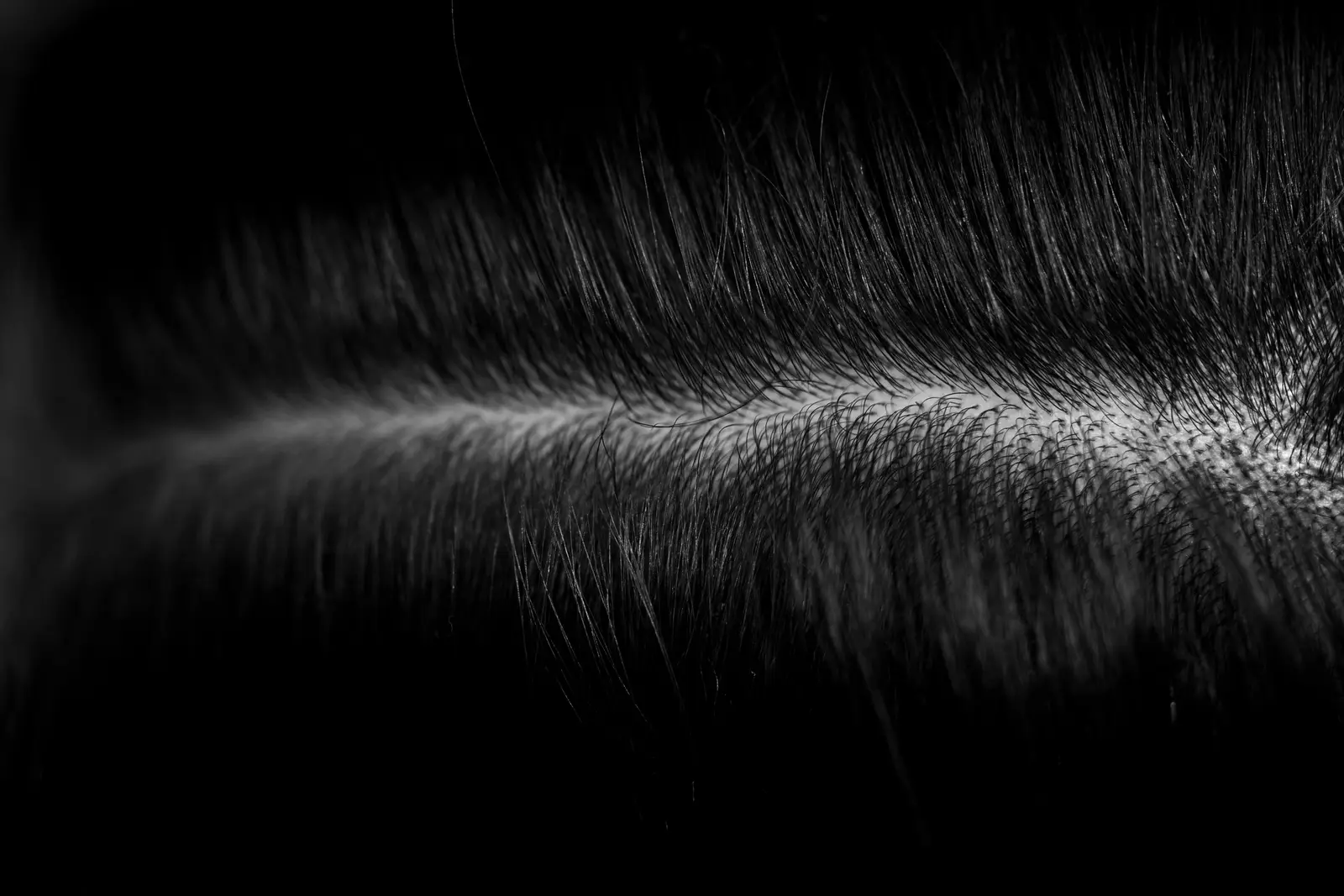
Pattern loss, or androgenetic alopecia, is genetic and progressive. Follicles miniaturize along a hormone pathway, so the useful treatments interrupt that pathway. Shedding that follows illness, surgery, childbirth, a crash diet or a stressful few months usually falls under telogen effluvium and often recovers on its own. Thyroid problems and low iron can cause shedding that looks like either one.
A dermatologist can separate them with a scalp exam and blood tests. Ask for your pattern to be graded, because the grade decides whether a device or a drug is even cleared for you.
The options with the longest record
Topical minoxidil is the one you can buy without a prescription. You apply it to a dry scalp as the label directs, and it keeps follicles in the growth phase for longer. Finasteride is a prescription pill that lowers DHT, and it is not prescribed to women who could become pregnant. Both need months before you can judge them, and stopping usually means losing the ground you gained. Six months is a fair first checkpoint.
Topical minoxidil
You apply it to a dry scalp as the label directs, and it keeps follicles in the growth phase for longer.
The red-light cap that raised up to $13 million
Revian closed up to $13 million in new financing in November 2025, in a round led by Flashpoint, to scale up manufacturing and enter new markets. The company makes an at-home cap that uses two wavelengths of red light to trigger nitric oxide production in the scalp. Revian says that response inhibits 5-alpha reductase, the enzyme that converts testosterone into DHT, increases microcirculation and reduces inflammation.
Revian red-light cap
The system is FDA-cleared for androgenetic alopecia in men graded Norwood-Hamilton IIa to V and women graded Ludwig-Savin I-1 to II-4, II1 and II2, plus certain frontal patterns.
The system is FDA-cleared for androgenetic alopecia in men graded Norwood-Hamilton IIa to V and women graded Ludwig-Savin I-1 to II-4, II1 and II2, plus certain frontal patterns. If your loss is graded outside those categories, the clearance does not cover you. The cap also connects to a phone platform your doctor can check, so whether you actually used it is visible between appointments. Light therapy rewards consistency, and a device that reports your sessions is more honest than one that does not.
PP405, the topical that woke up dormant stem cells
PP405 is a topical molecule in clinical trials that targets dormant stem cells inside the follicle. In a Phase 2 trial run with UCLA, people who applied it to their scalps for four weeks grew terminal hairs, meaning full shafts with the potential to be long and thick rather than peach fuzz. Marc R. Avram, a clinical professor of dermatology at Weill Cornell Medical College, told ELLE that it regrew hair even on bald scalps.
Four weeks is unusually quick for hair, and a Phase 2 result is not a product. Later-stage trials have to repeat it in more people, then a regulator has to review it. Watch this one, and don't plan your year around it.
Xvie, the exosome concentrate applied after microneedling
Xvie is a concentrate made from amniotic fluid that is rich in exosomes, the tiny vesicles cells release to carry proteins, lipids and nucleic acids between them. Trillitye Paullin, chief scientific officer of Xvie, describes it as a multi-signal approach that supports cellular communication in a thinning scalp.
It is in trials as an injectable. In clinics now, dermatologists apply it topically after microneedling the scalp. Amy B. Lewis, a New York dermatologist who uses it, photographs scalps through a magnifying camera so she can count new follicles instead of describing growth from memory. That is one clinician's record of her own patients. Xvie's trial results are not published yet, which tells you where this sits: early.
What I would do, in order
- Book a dermatologist appointment, ask for your loss to be graded, and get iron and thyroid checked. Bring photos from five years ago if you have them.
- Start one treatment that matches that grade. Topical minoxidil if you want to begin over the counter; a prescription if the dermatologist recommends one.
- Photograph your parting and hairline in the same light at the same angle on the first of each month. Regrowth is too slow to spot in a mirror.
- Wash gently, don't scratch or scrub, and put sunscreen on exposed scalp along the parting. Scalp skin accumulates sun damage like the rest of your face.
- Wait six months before adding anything. Adding a second product at week three tells you nothing about either one.
What I would skip
Free-from labels, detox shampoos and biotin gummies bought without a blood test behind them. Scalp massage feels pleasant and costs nothing, and it is not a treatment for pattern loss. Reused home derma rollers are a bad idea: the needles dull and carry bacteria into a scalp you are trying to grow hair on. If a clinic offers you a course of injections with no published data, ask what they will measure and when they will show you the photographs.
Pattern hair loss is a medical condition, and if it is progressing quickly, or your scalp is itchy, scaly or patchy, see a dermatologist rather than adding another serum. Book the appointment, get the grade, and put a reminder in your calendar six months out to look at your photos side by side.
Frequently asked questions
- How long does hair regrowth take?
- Six months is a fair first checkpoint for minoxidil or a light device, and dermatologists often wait longer before calling a treatment a failure. Take monthly photos at the same angle and in the same light so you have something to compare besides memory.
- Can hair grow back on a bald patch?
- Sometimes. In a Phase 2 trial, PP405 regrew terminal hair even on bald scalps, which is why the result drew attention. Treatments available now work better on thinning areas than on smooth, bald skin, so earlier is easier.
- Is red light therapy for hair worth it?
- Revian's cap is FDA-cleared for androgenetic alopecia in specific grades of loss and reports your sessions to your doctor. Expect months of regular use. For most people it works alongside a diagnosis and a first-line treatment, not instead of them.
- Can I treat hair loss without seeing a doctor?
- You can buy topical minoxidil and start it, and for mild pattern thinning that is a reasonable first move. You will waste less money if the type of loss is confirmed first, since thyroid problems and low iron cause shedding that minoxidil will not fix.
Sources
Further reading

Best silk pillowcases for hair: what 25 momme actually does
Silk cuts the friction that snags hair overnight. Here's why 25 momme mulberry silk is the sensible first buy, what it fixes, and when a satin case is the smarter spend.

Bixie haircut for women over 50: what to ask your stylist
A bixie keeps the back short and the front at bob length, which softens a short cut for women over 50. What to ask for, by hair thickness, and the trim catch.
Boar vs nylon round brushes: which one your hair needs
Olivia Garden tops the stylist picks, but the barrel size you choose decides whether your blowout gets lift or creases. A guide to diameters, bristles and technique.